Arnold Schoenberg
Transcription for string quartet, flute, clarinet & piano, of Johann Strauss' "Emperor Waltz"
Released Album
Recent Album

Featured Album
Works Info
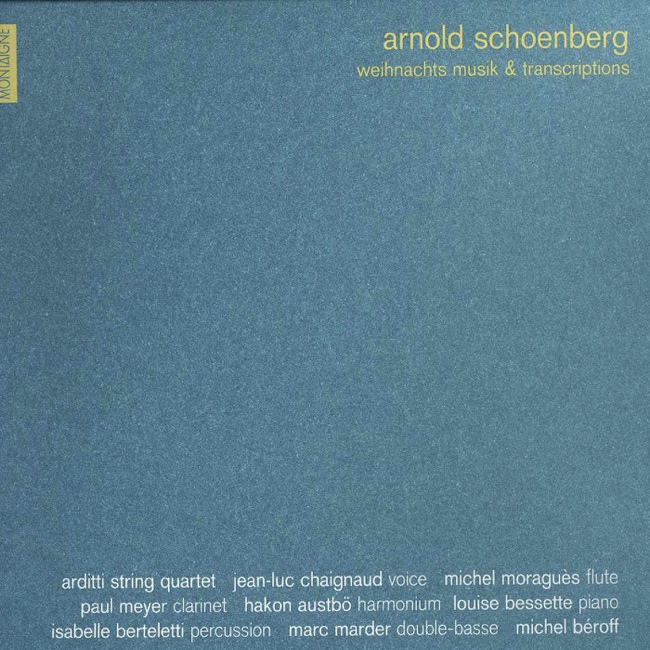
Composer:Arnold SchoenbergGenre:ChamberStyle:Chamber MusicCompose Date:1925Average_duration:11:39Arnold Schoenberg's "Transcription for string quartet, flute, clarinet & piano, of Johann Strauss' Emperor Waltz" was composed in 1925. The piece was premiered on January 27, 1926, in Vienna, Austria. The transcription consists of four movements, each of which is a variation on the original waltz. The first movement, marked "Allegro," begins with a lively and energetic theme played by the strings. The flute and clarinet then enter, adding a playful and whimsical quality to the music. The piano provides a steady accompaniment throughout the movement, adding to the overall sense of momentum and excitement. The second movement, marked "Lento," is a slower and more contemplative variation on the waltz. The strings play a mournful melody, while the flute and clarinet provide a haunting counterpoint. The piano adds a sense of depth and richness to the music, creating a somber and introspective mood. The third movement, marked "Moderato," is a return to the lively and energetic theme of the first movement. The strings play a fast and intricate melody, while the flute and clarinet add a playful and whimsical quality to the music. The piano provides a steady accompaniment, adding to the overall sense of momentum and excitement. The final movement, marked "Allegro molto," is a fast and frenetic variation on the waltz. The strings play a complex and intricate melody, while the flute and clarinet add a sense of urgency and intensity to the music. The piano provides a driving accompaniment, creating a sense of tension and excitement that builds to a thrilling climax. Overall, Schoenberg's transcription of Johann Strauss' Emperor Waltz is a masterful reimagining of a classic piece of music. The use of a string quartet, flute, clarinet, and piano adds a new dimension to the music, creating a rich and complex tapestry of sound that is both playful and introspective. The four movements of the transcription showcase Schoenberg's skill as a composer, as well as his deep appreciation for the music of Johann Strauss.More....
Works Music
Released Music
1

Transcription for string quartet, flute, clarinet & piano, or Johann Strauss' "Emperor Waltz"
Emperor's Waltz, Op. 437
12:38
2
10:47
3
12:6
4
12:33
Featured Music