Hector Berlioz
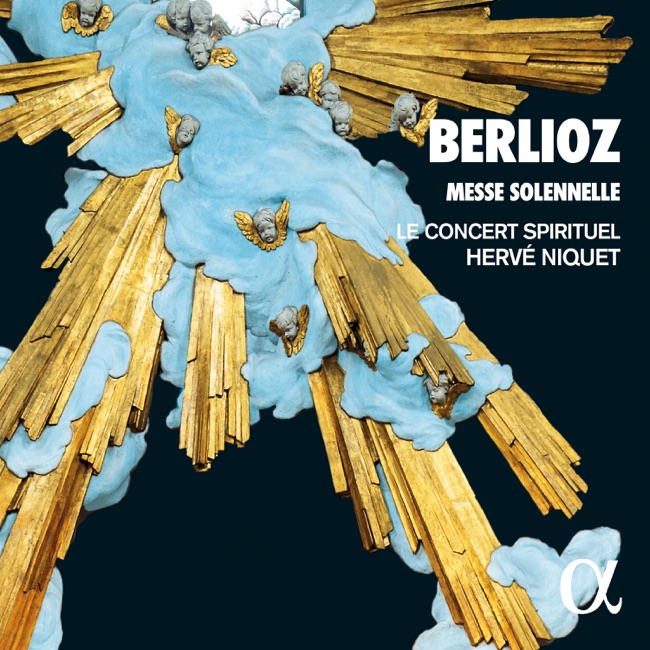
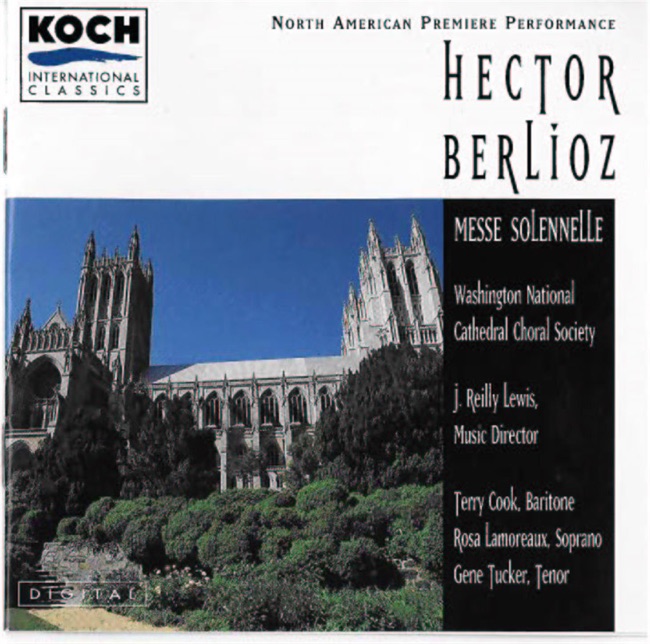
Messe solennelle, H. 20a
Released Album
Recent Album
Works Info
Composer:Hector BerliozGenre:ChoralStyle:MassCompose Date:Dec 1824Average_duration:57:36Movement_count:13Movement ....Hector Berlioz composed his Messe solennelle, H. 20a in 1824, at the age of 20. The piece was premiered on July 10, 1825, at the Church of Saint-Roch in Paris, with Berlioz conducting. The Messe solennelle is a setting of the Catholic Mass, and it consists of five movements: Kyrie, Gloria, Credo, Sanctus, and Agnus Dei. The Messe solennelle is characterized by Berlioz's innovative use of orchestration and harmony. He employs a large orchestra, including four flutes, four oboes, four clarinets, four bassoons, eight horns, four trumpets, four trombones, timpani, and strings. Berlioz also uses a choir and soloists, including a tenor solo in the Sanctus and a soprano solo in the Agnus Dei. The Kyrie begins with a solemn choral introduction, followed by a fugue. The Gloria is a lively movement, with a joyful choral opening and a fugue. The Credo is the longest movement, with a variety of musical styles and moods, including a fugue, a solo for the tenor, and a choral section with a fugue. The Sanctus is a majestic movement, with a choral opening and a fugue. The Agnus Dei is a peaceful movement, with a soprano solo and a choral section. Berlioz's Messe solennelle was not well-received at its premiere, and it was not performed again during his lifetime. However, the piece has since been rediscovered and is now recognized as an important work in Berlioz's early career. The Messe solennelle showcases Berlioz's innovative approach to orchestration and harmony, and it demonstrates his ability to create a powerful and emotional musical experience.More....