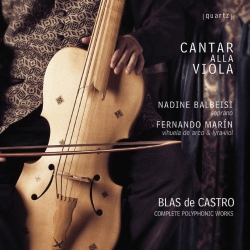
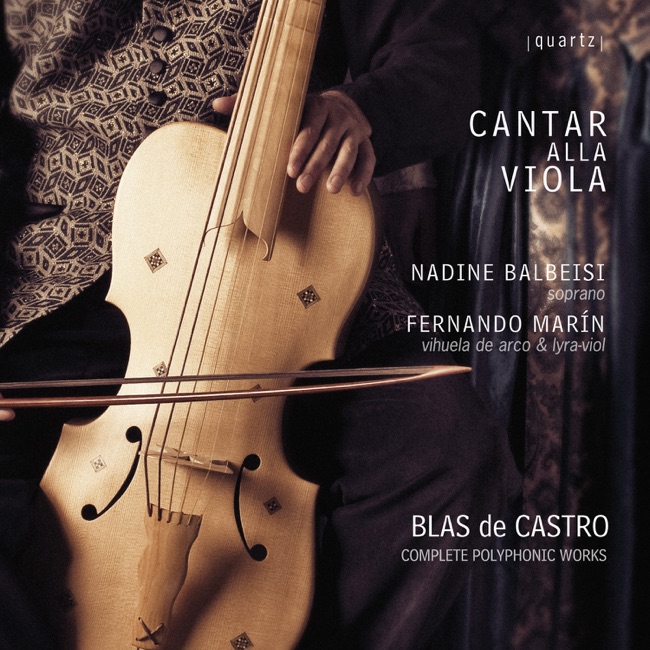
Juan Blas de Castro
Estávase la aldeana
Released Album
Recent Album
Works Info
Composer:Juan Blas de CastroGenre:VocalStyle:Vocal MusicAverage_duration:4:51'Estávase la aldeana' is a Spanish Renaissance song composed by Juan Blas de Castro. The song was composed in the 16th century and is believed to have been premiered during the reign of King Philip II of Spain. The song is a part of the Spanish Renaissance music genre, which was characterized by its use of polyphonic textures, complex harmonies, and intricate melodies. The song is composed of three movements, each with its own unique characteristics. The first movement is a slow and melancholic introduction that sets the tone for the rest of the song. The second movement is a lively and upbeat section that features a fast-paced melody and intricate harmonies. The third movement is a slower and more contemplative section that brings the song to a peaceful and reflective conclusion. The song's lyrics tell the story of a young peasant girl who is waiting for her lover to return from war. The girl is described as being sad and lonely, and she spends her days waiting for her lover to return. The lyrics are written in a simple and straightforward style, which adds to the song's emotional impact. One of the most notable characteristics of 'Estávase la aldeana' is its use of polyphonic textures. The song features multiple voices singing different melodies at the same time, which creates a rich and complex sound. The harmonies are also intricate and complex, with each voice contributing to the overall texture of the song. Overall, 'Estávase la aldeana' is a beautiful and emotional piece of music that showcases the talent and skill of Juan Blas de Castro. The song's use of polyphonic textures, complex harmonies, and intricate melodies make it a masterpiece of the Spanish Renaissance music genre.More....
Works Music
Released Music