


Juan Blas de Castro
Released Album
Vocal
-
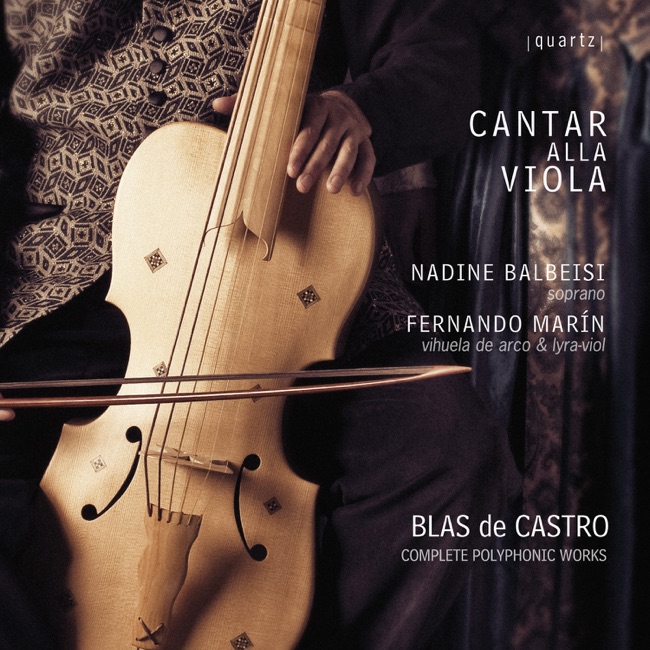 September 4, 2015
 -
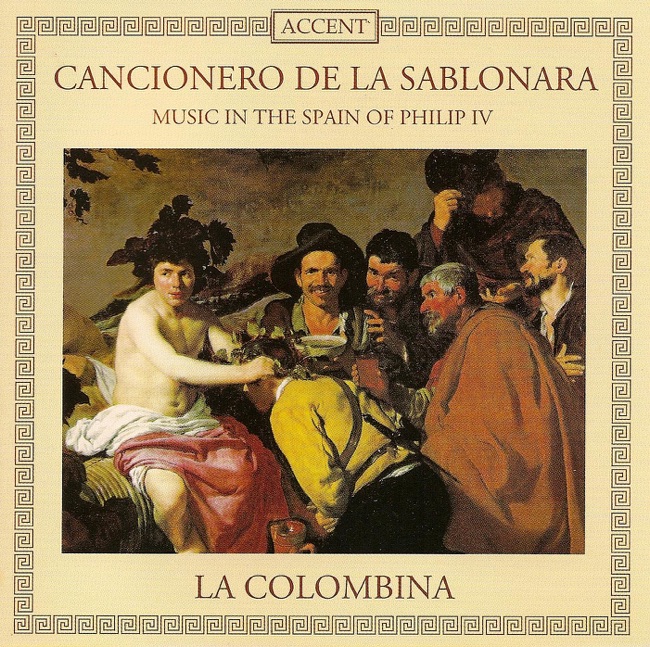 December 15, 1999
Miscellaneous
-
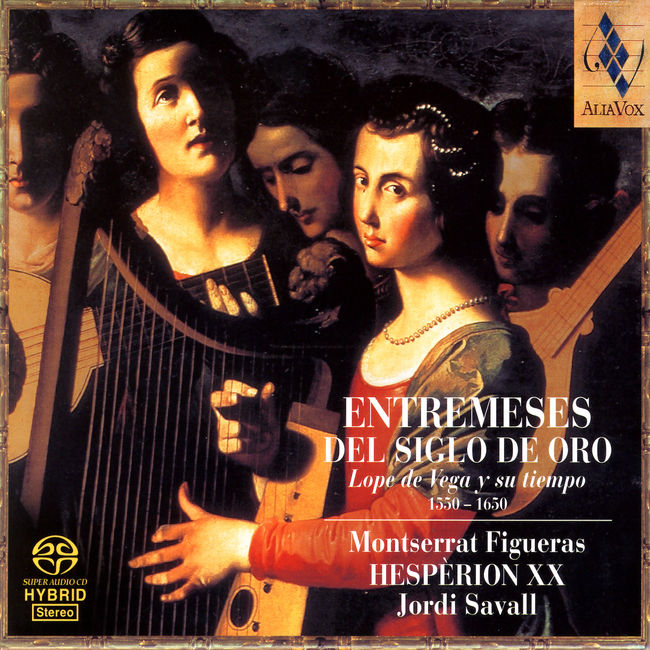 December 9, 2003
Chamber
-
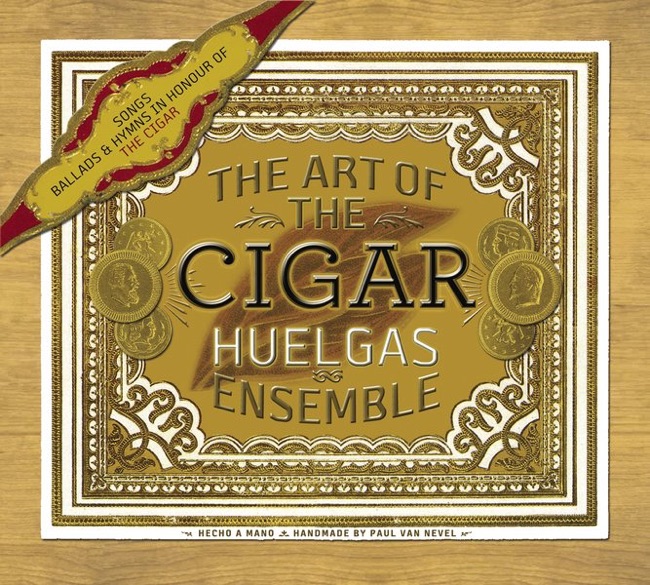 May 31, 2011
Artist Info
Role:ComposerBirth:ca. 1560Death:August 6, 1631Period:BaroqueGenre:VocalJuan Blas de Castro was a Spanish composer of the Baroque era, born in the city of Burgos in 1611. He was the son of a musician, and his father's influence played a significant role in his musical education. Castro's father was a member of the chapel of the Cathedral of Burgos, and he taught his son the basics of music theory and composition. Castro's talent for music was evident from a young age, and he quickly became a skilled musician. He began his career as a singer in the chapel of the Cathedral of Burgos, where he also received training in composition from the chapel's maestro de capilla, Francisco de Santiago. Santiago was a prominent composer of the time, and his influence can be seen in Castro's early works. In 1631, Castro moved to Madrid to continue his musical education. He studied with the renowned composer Juan Hidalgo, who was the maestro de capilla of the Royal Chapel. Hidalgo was a pioneer of the zarzuela, a form of Spanish musical theater that combined music, dance, and drama. Castro was deeply influenced by Hidalgo's work, and he would later become a prominent composer of zarzuelas himself. Castro's first major composition was a collection of sacred music called "Lamentations for Holy Week." The work was well-received, and it helped establish Castro's reputation as a composer. He continued to compose sacred music throughout his career, including masses, motets, and hymns. In addition to his sacred music, Castro also composed secular music, including songs and instrumental works. He was particularly skilled at writing for the guitar, which was a popular instrument in Spain at the time. His guitar music is characterized by its virtuosity and its use of Spanish folk melodies. Castro's most significant contribution to music, however, was his work in the zarzuela. He composed over 20 zarzuelas during his career, many of which were performed at the Royal Palace in Madrid. His zarzuelas were known for their catchy melodies, lively rhythms, and colorful orchestrations. They were immensely popular with audiences, and they helped establish the zarzuela as a distinct form of Spanish musical theater. One of Castro's most famous zarzuelas is "La Venganza de la Petra," which tells the story of a woman seeking revenge on her unfaithful husband. The work is notable for its use of Spanish folk music, including the jota, a lively dance from the Aragon region. Another famous zarzuela by Castro is "La Gatomaquia," which tells the story of a battle between cats and mice. The work is notable for its use of animal sounds in the music, which was a novel technique at the time. Castro's music was highly regarded during his lifetime, and he was recognized as one of the leading composers of his time. He was appointed maestro de capilla of the Cathedral of Malaga in 1653, a position he held until his death in 1673. He was also a member of the Royal Chapel, and he received numerous commissions from the Spanish court. Today, Castro's music is still performed and recorded, particularly his zarzuelas, which remain popular in Spain and Latin America. His work is an important part of the Spanish musical tradition, and it continues to inspire musicians and audiences around the world.More....
Recent Artist Music
1
4:54
2
3:40
Copyright Ⓒ 2013 Davinci Finger. All rights reseved
Service Terms & Policy