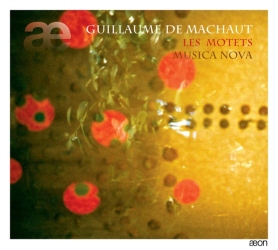
Guillaume de Machaut
Aucune gent/Qui plus aimme/Fiat voluntas tua
Released Album
Recent Album
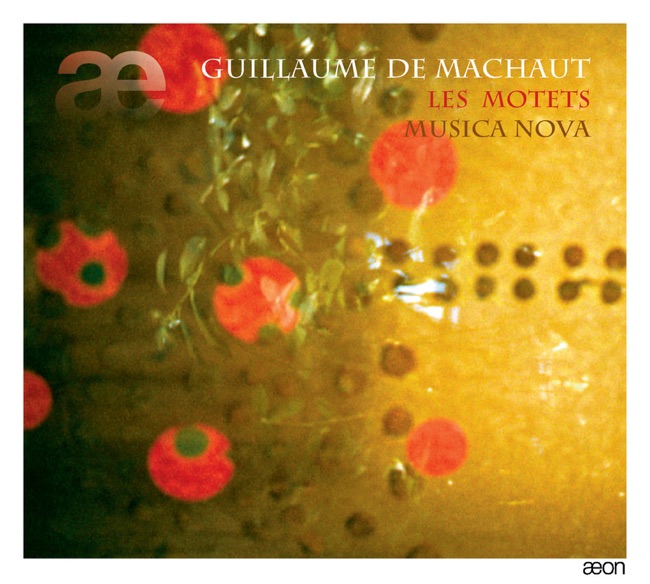
Works Info
Composer:Guillaume de MachautGenre:ChoralStyle:MotetAverage_duration:3:01Guillaume de Machaut was a French composer and poet of the 14th century. He is considered one of the most important composers of the Ars Nova style, which was characterized by complex rhythms and harmonies. One of his most famous works is the motet "Aucune gent/Qui plus aimme/Fiat voluntas tua." The motet was composed in the early 14th century and is believed to have been premiered in the court of King John II of France. It is written for three voices and is divided into three movements. The first movement, "Aucune gent," is in the form of a rondeau and is sung in French. The second movement, "Qui plus aimme," is in the form of a ballade and is sung in Latin. The third movement, "Fiat voluntas tua," is in the form of a virelai and is also sung in Latin. The first movement, "Aucune gent," is a love song that expresses the speaker's desire for his beloved. The music is characterized by a lively rhythm and a playful melody. The second movement, "Qui plus aimme," is a religious song that praises the Virgin Mary. The music is more solemn and contemplative than the first movement. The third movement, "Fiat voluntas tua," is a prayer that asks for God's will to be done. The music is characterized by a simple melody and a repetitive rhythm. Overall, "Aucune gent/Qui plus aimme/Fiat voluntas tua" is a complex and beautiful work that showcases Machaut's mastery of the Ars Nova style. The motet is notable for its use of multiple languages and its combination of secular and religious themes. It remains a popular piece in the repertoire of early music performers today.More....
Works Music
Released Music