


Jean-Philippe Rameau
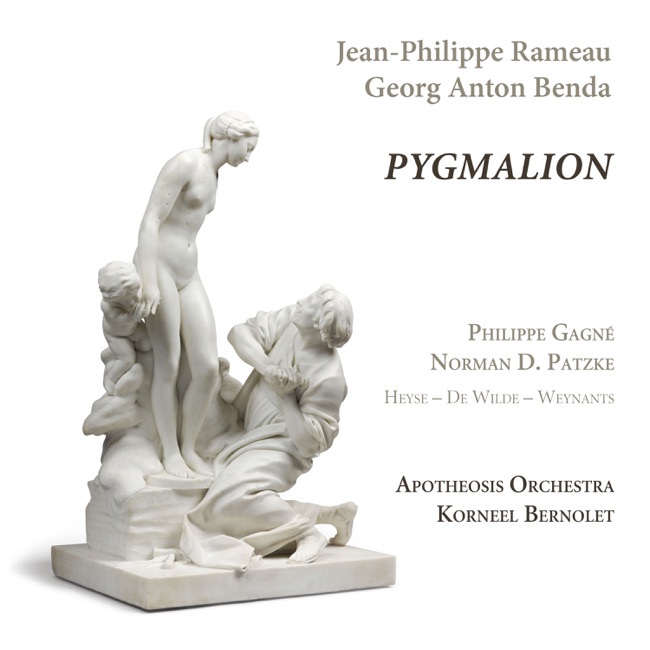
Pygmalion
Released Album
Recent Album
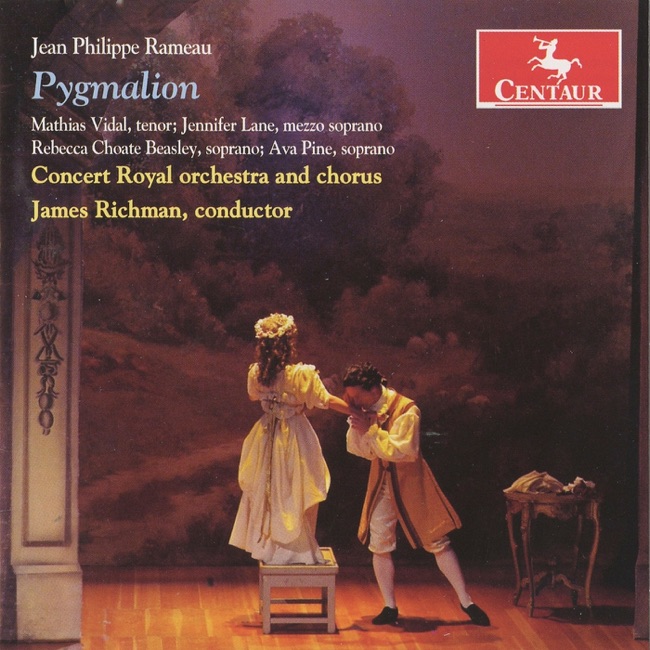
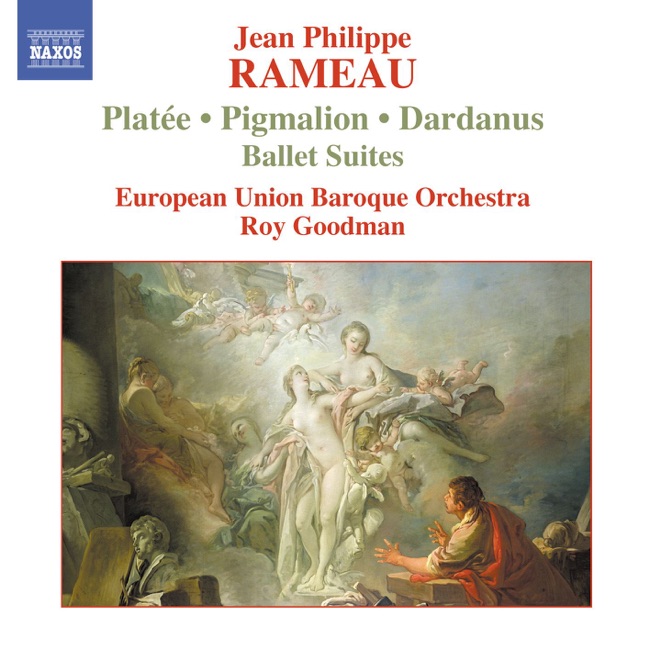
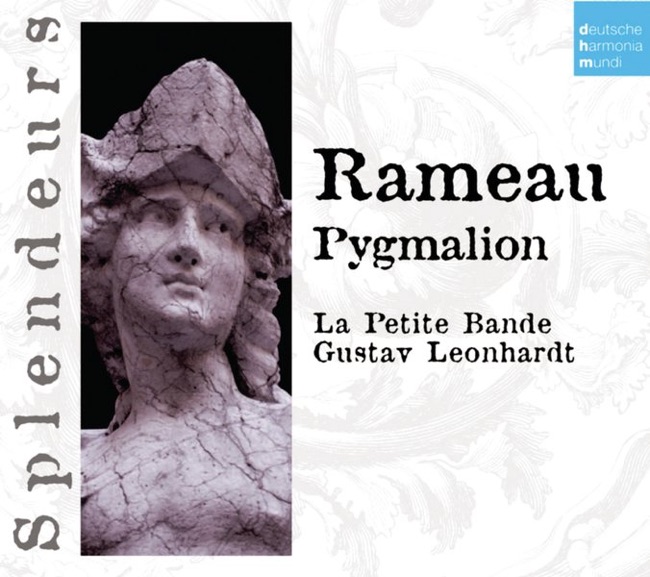
Featured Album
Works Info
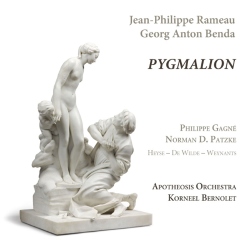
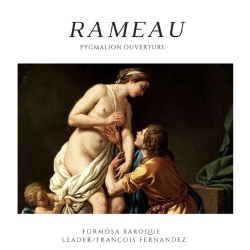
Composer:Jean-Philippe RameauGenre:OperaStyle:BalletCompose Date:1748Publication Date:1895 - 1924Average_duration:45:26Pygmalion is an opera-ballet composed by Jean-Philippe Rameau in 1748. The plot is based on the Greek myth of Pygmalion, a sculptor who falls in love with his own creation, a statue of a woman named Galatea. In Rameau's version, Pygmalion is a wealthy and successful artist who is disillusioned with real women and decides to create his own perfect woman out of ivory. He falls in love with the statue and begs Venus, the goddess of love, to bring her to life. The opera is divided into three movements, each with its own distinct character and style. The first movement is a prologue, in which Venus and Cupid discuss the nature of love and the power of art. The second movement is the main action of the opera, in which Pygmalion creates his statue and falls in love with her. The third movement is an epilogue, in which Pygmalion and Galatea celebrate their love and Venus blesses their union. Rameau's music is characterized by its elegance, sophistication, and emotional depth. He uses a variety of musical forms and styles, including recitative, aria, and dance, to create a rich and varied musical landscape. The score is notable for its use of orchestration, with Rameau employing a wide range of instruments to create a colorful and expressive sound. Pygmalion premiered at the Paris Opera in 1748 to great acclaim. It was praised for its innovative use of dance and its emotional depth, and it quickly became one of Rameau's most popular works. The opera has since been performed and recorded many times, and it remains a beloved and influential work in the operatic repertoire.More....
Works Music
Released Music
Featured Music


Main Perform Artists
Vocals
Soprano (Vocal)
Vocals
Vocals
Tenor (Vocal)