Darius Milhaud
Les euménides
Works Info
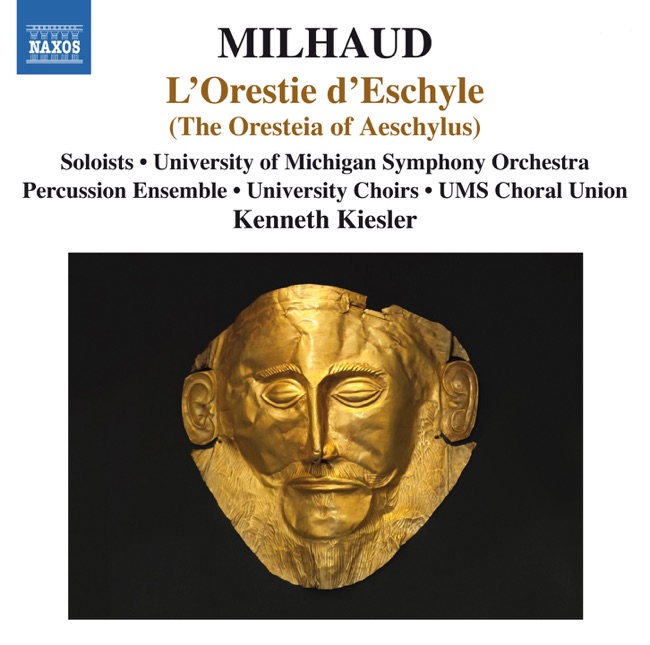
Composer:Darius MilhaudGenre:OperaCompose Date:1917-1923Publication Date:1927First Performance:1949Average_duration:01:35:05Les euménides is an opera composed by Darius Milhaud in 1926. The plot of the opera is based on the ancient Greek tragedy, The Oresteia by Aeschylus. The story revolves around the character of Orestes, who is haunted by the Furies, the goddesses of vengeance, for killing his mother Clytemnestra. The Furies are relentless in their pursuit of Orestes, and he seeks refuge in the temple of Apollo. Apollo intervenes and convinces the Furies to accept a trial in Athens, where they will be judged by a jury of Athenians. The opera is divided into three movements, each corresponding to one of the plays in The Oresteia. The first movement, "Agamemnon," depicts the murder of Agamemnon by Clytemnestra and her lover Aegisthus. The second movement, "The Libation Bearers," shows Orestes seeking revenge for his father's death by killing his mother. The final movement, "The Eumenides," portrays the trial of Orestes in Athens and his eventual acquittal. The music of Les euménides is characterized by Milhaud's signature style of polytonality, which involves the use of multiple keys simultaneously. The score also features a large orchestra, including percussion instruments such as the xylophone and marimba, which were relatively new to Western classical music at the time. Les euménides premiered on June 3, 1927, at the Paris Opera. The production was directed by Jacques Copeau and featured sets and costumes designed by André Derain. The opera was well-received by audiences and critics alike, and it remains one of Milhaud's most popular works. Overall, Les euménides is a powerful and dramatic opera that explores themes of justice, revenge, and redemption. Its innovative music and compelling storyline continue to captivate audiences today.More....
Works Music
Released Music