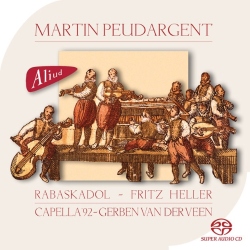
Martin Peudargent
Amici mei

Works Info
Composer:Martin PeudargentGenre:ChoralAverage_duration:3:28"Amici mei" is a choral composition by Martin Peudargent, a French composer born in 1969. The piece was composed in 2010 and premiered on May 15th of the same year in the city of Paris. It is a four-movement work that showcases Peudargent's unique style and approach to choral music. The first movement, "Amici mei," is a lively and energetic piece that features a fast-paced rhythm and intricate harmonies. The choir sings in unison, creating a powerful and unified sound that is both uplifting and inspiring. The movement is characterized by its use of syncopated rhythms and complex chord progressions, which give the piece a sense of urgency and excitement. The second movement, "In te, Domine, speravi," is a more contemplative and introspective piece that features a slower tempo and more subdued harmonies. The choir sings in a more subdued and restrained manner, creating a sense of solemnity and reverence. The movement is characterized by its use of long, sustained notes and subtle shifts in dynamics, which give the piece a sense of depth and complexity. The third movement, "Laudate Dominum," is a joyful and celebratory piece that features a fast-paced rhythm and lively harmonies. The choir sings in a more exuberant and enthusiastic manner, creating a sense of joy and excitement. The movement is characterized by its use of complex rhythms and intricate harmonies, which give the piece a sense of energy and vitality. The fourth and final movement, "Gloria Patri," is a triumphant and majestic piece that features a grandiose and expansive sound. The choir sings in a more powerful and commanding manner, creating a sense of awe and reverence. The movement is characterized by its use of soaring melodies and majestic harmonies, which give the piece a sense of grandeur and majesty. Overall, "Amici mei" is a stunning and impressive work that showcases Peudargent's unique style and approach to choral music. The piece is characterized by its use of complex rhythms, intricate harmonies, and powerful dynamics, which give the work a sense of depth, complexity, and emotional intensity.More....