Franz Joseph Haydn
Trio for 2 violins & cello in B minor, H. 5/3
Released Album
Recent Album
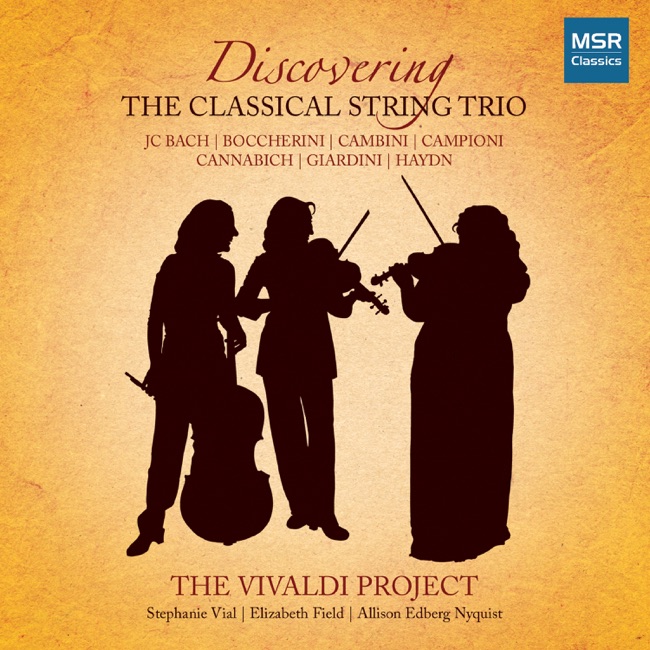
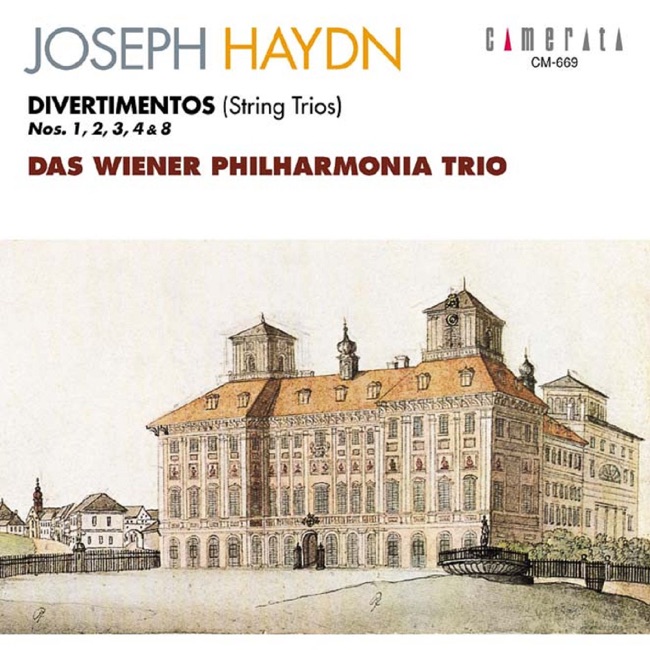
Works Info
Composer:Franz Joseph HaydnGenre:ChamberStyle:Chamber MusicCompose Date:before 1767Average_duration:13:54Movement_count:3Movement ....Franz Joseph Haydn's Trio for 2 violins & cello in B minor, H. 5/3, also known as the "St. Petersburg Trio," was composed in 1765 during his tenure as Kapellmeister for the Esterházy family. The piece was dedicated to Countess Maria Wilhelmina von Thun, a patron of the arts in Vienna. The trio consists of three movements: 1. Andante 2. Allegro di molto 3. Allegro The first movement, Andante, begins with a slow, mournful melody played by the first violin. The second violin and cello then join in, creating a rich, full sound. The movement is characterized by its use of chromaticism and minor keys, which give it a melancholic and somber tone. The second movement, Allegro di molto, is a lively and energetic scherzo. The violins play off each other in a playful and virtuosic manner, while the cello provides a steady bass line. The movement is marked by its use of syncopation and sudden dynamic changes, which create a sense of excitement and unpredictability. The final movement, Allegro, is a fast and lively dance in B minor. The violins play a lively melody, while the cello provides a driving bass line. The movement is characterized by its use of counterpoint and imitation, as the different instruments play off each other in a complex and intricate manner. Overall, Haydn's Trio for 2 violins & cello in B minor, H. 5/3, is a masterful example of his skill as a composer. The piece showcases his ability to create complex and intricate musical textures, while also conveying a range of emotions and moods. Its use of chromaticism, syncopation, and counterpoint make it a challenging and rewarding piece for performers and listeners alike. The trio premiered in Vienna in 1765 and has since become a beloved and frequently performed work in the chamber music repertoire.More....
Works Music