Charles Villiers Stanford
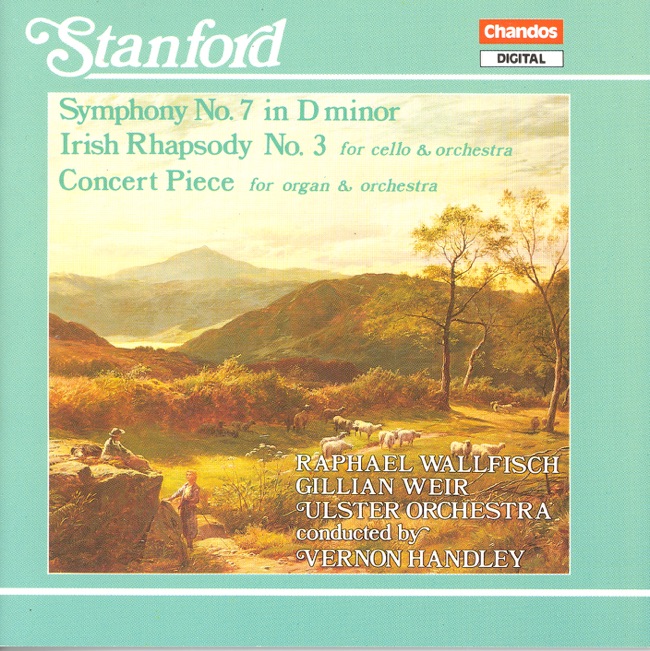
Concert Piece for organ & orchestra, Op.181
Released Album
Works Info
Composer:Charles Villiers StanfordGenre:ConcertoStyle:ConcertoCompose Date:1921Average_duration:21:24Charles Villiers Stanford's Concert Piece for organ & orchestra, Op.181, was composed in 1919 and premiered on May 22, 1920, at the Royal Albert Hall in London. The piece is divided into three movements, each with its own distinct characteristics. The first movement, marked Allegro moderato, begins with a majestic orchestral introduction that sets the stage for the organ's entrance. The organ enters with a bold statement of the main theme, which is then developed and expanded upon by both the orchestra and the organ. The movement is characterized by its grandeur and sense of triumph, with the organ and orchestra working together to create a powerful and uplifting sound. The second movement, marked Andante con moto, is a stark contrast to the first. It begins with a gentle and introspective theme played by the strings, which is then taken up by the organ. The movement is characterized by its lyrical and expressive melodies, with the organ and orchestra working together to create a sense of intimacy and introspection. The final movement, marked Allegro vivace, is a lively and energetic finale that brings the piece to a thrilling conclusion. The movement begins with a fast and frenetic orchestral introduction, which is then taken up by the organ. The movement is characterized by its virtuosic organ writing and its sense of excitement and joy. Overall, Stanford's Concert Piece for organ & orchestra, Op.181, is a powerful and uplifting work that showcases the capabilities of both the organ and the orchestra. The piece is characterized by its grandeur, expressiveness, and virtuosity, and remains a popular work in the organ and orchestral repertoire.More....
Works Music