German Traditional
Feinsliebchen, du sollst mir nicht barfuß gehn
Released Album
Recent Album
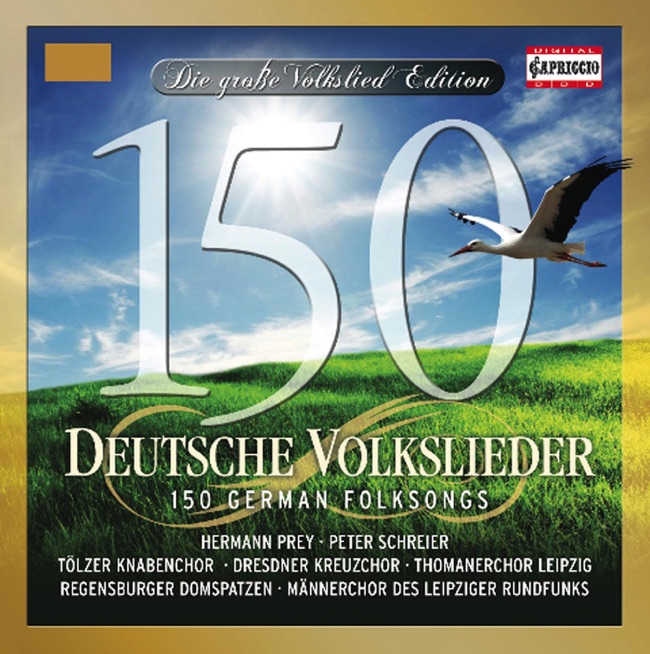
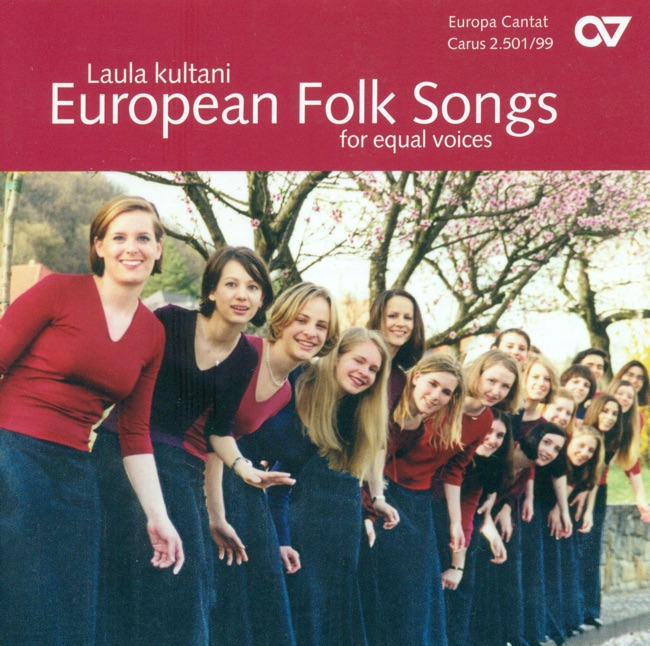
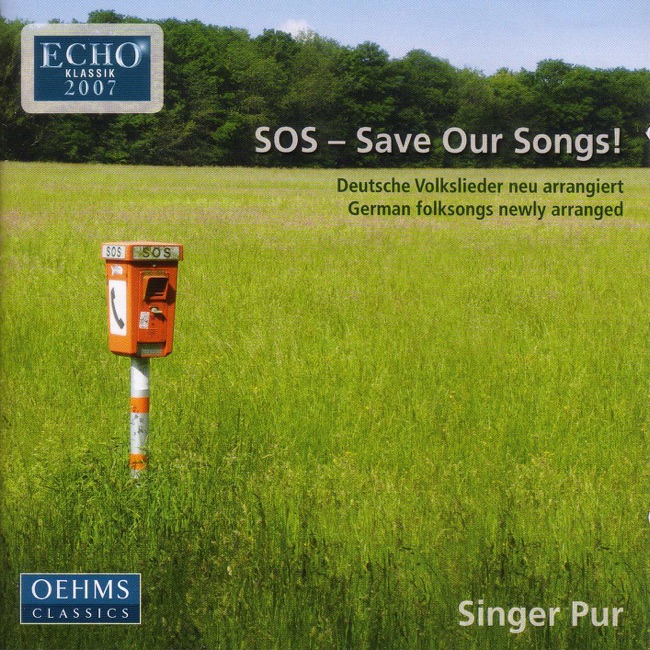
Works Info
Composer:German TraditionalGenre:VocalStyle:Vocal MusicAverage_duration:3:41"Feinsliebchen, du sollst mir nicht barfuß gehn" is a German traditional folk song that has been passed down through generations. The exact date of its composition is unknown, but it is believed to have originated in the 18th century. The song was popularized in the 19th century and has since become a staple in German folk music. The song is typically performed in three movements, with each movement building upon the previous one. The first movement is slow and mournful, with the singer lamenting the fact that their lover is walking barefoot. The second movement is more upbeat and features a call-and-response between the singer and a chorus. The third movement is the most lively and features a dance-like rhythm. The lyrics of "Feinsliebchen, du sollst mir nicht barfuß gehn" are characterized by their simplicity and directness. The song tells the story of a lover who is concerned for their partner's well-being and wants to protect them from harm. The lyrics are often accompanied by a simple melody that is easy to sing along to. One of the most notable characteristics of "Feinsliebchen, du sollst mir nicht barfuß gehn" is its use of repetition. The song repeats the same phrases and melodies throughout, creating a sense of familiarity and comfort for the listener. This repetition also allows the singer to emphasize certain words and phrases, adding emotional depth to the song. Overall, "Feinsliebchen, du sollst mir nicht barfuß gehn" is a beloved German folk song that has stood the test of time. Its simple yet powerful lyrics and catchy melody have made it a favorite among generations of listeners.More....
Works Music
Released Music
2
4:39