Charles Ives
Study No. 20: March, S. 104
Released Album
Recent Album






Works Info
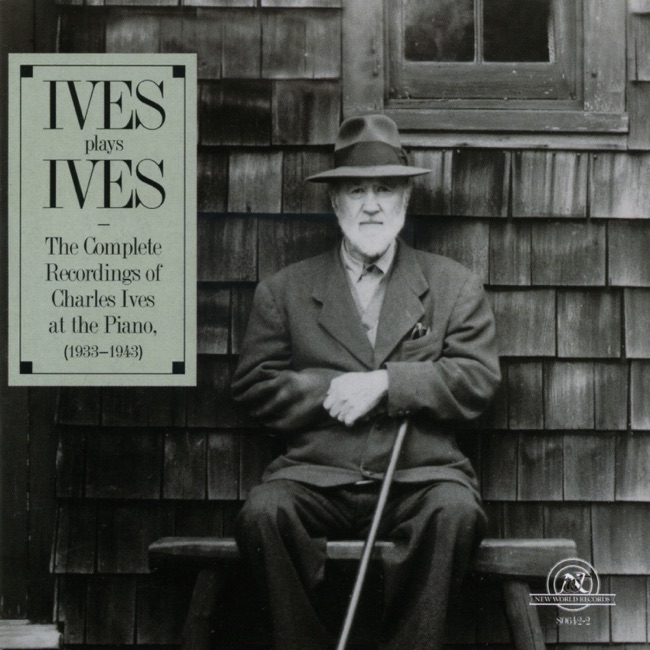
Composer:Charles IvesGenre:KeyboardStyle:EtudeCompose Date:ca. 1925Publication Date:1981First Performance:May 23, 1968Average_duration:7:14Charles Ives was an American composer who is known for his experimental and innovative approach to music. One of his most famous works is the "Study No. 20: March, S. 104," which was composed in 1915. The piece was premiered in 1929 by the New York Philharmonic under the direction of Walter Damrosch. The "Study No. 20: March, S. 104" is a short piece that is divided into three movements. The first movement is a slow introduction that sets the mood for the piece. It features a simple melody played by the woodwinds and strings, which is then repeated by the brass section. The second movement is a lively march that is characterized by its syncopated rhythms and playful melodies. The third movement is a reprise of the first movement, but with a more subdued and reflective tone. One of the most notable characteristics of the "Study No. 20: March, S. 104" is its use of polytonality. Ives was known for his experimentation with different tonalities, and this piece is no exception. The march section, in particular, features multiple tonalities that are played simultaneously, creating a dissonant and chaotic sound. Another characteristic of the piece is its use of unconventional instrumentation. Ives was known for incorporating non-traditional instruments into his compositions, and this piece is no exception. The march section features a prominent role for the xylophone, which adds a playful and whimsical element to the music. Overall, the "Study No. 20: March, S. 104" is a prime example of Ives' innovative and experimental approach to music. Its use of polytonality and unconventional instrumentation make it a unique and memorable piece that continues to be studied and performed today.More....
Works Music
Released Music