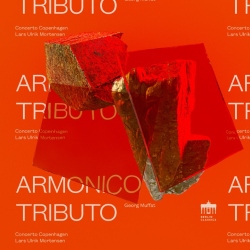
Georg Muffat
Sonata for strings & continuo No. 5 in G major
Released Album
Recent Album

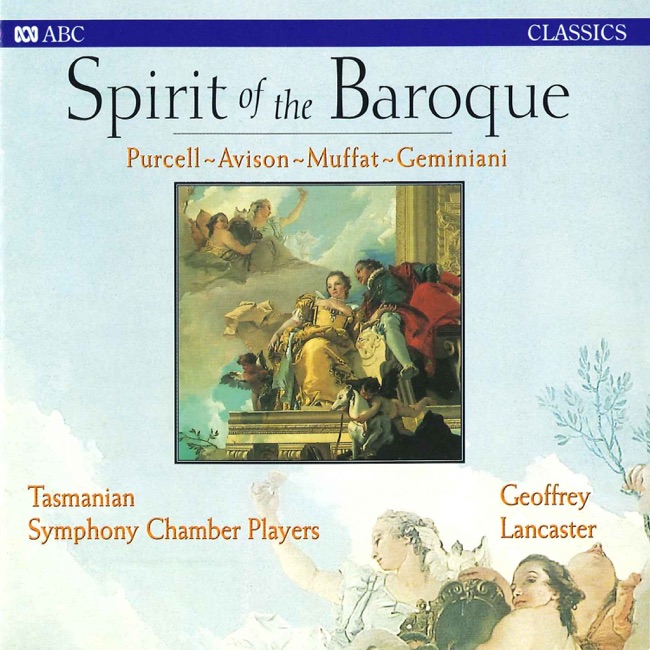
Featured Album
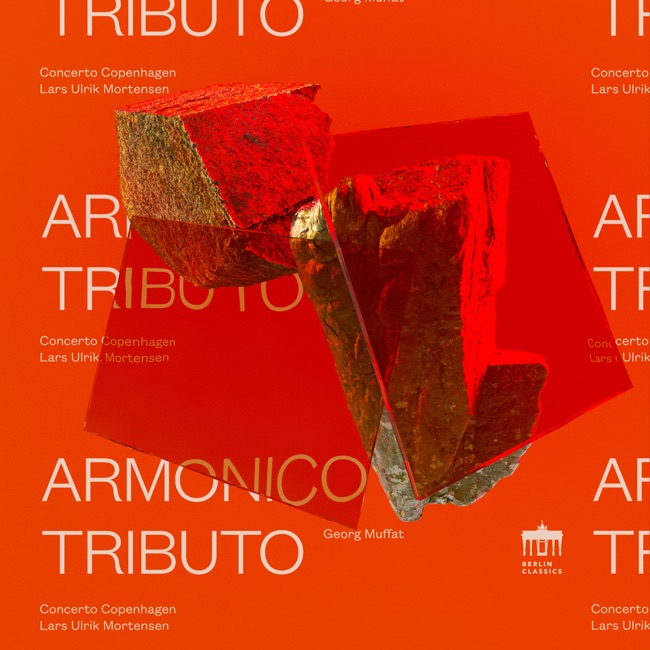
Works Info
Composer:Georg MuffatGenre:OrchestralStyle:SonataCompose Date:1682Average_duration:18:29Movement_count:5Movement ....Georg Muffat's 'Sonata for strings & continuo No. 5 in G major' is a Baroque composition that was composed in the late 17th century. The exact date of composition is not known, but it is believed to have been written between 1680 and 1690. The sonata was premiered in Salzburg, Austria, where Muffat was working as a court musician. The sonata is divided into four movements, each with its own distinct character and style. The first movement is marked "Preludio" and is a lively and energetic piece that features a fast-paced melody played by the violins. The second movement, marked "Allemande," is a slower and more contemplative piece that features a more complex harmonic structure. The third movement, marked "Courante," is a fast and lively dance that features a syncopated rhythm and a playful melody. The final movement, marked "Gigue," is a lively and energetic dance that features a fast-paced melody played by the violins. One of the characteristics of Muffat's 'Sonata for strings & continuo No. 5 in G major' is its use of counterpoint. The piece features multiple melodic lines that are played simultaneously, creating a complex and intricate texture. Muffat also makes use of ornamentation, adding trills and other embellishments to the melodic lines to add interest and variety. Another characteristic of the sonata is its use of the continuo, which is a group of instruments that provide a harmonic foundation for the melody. In this piece, the continuo is made up of a harpsichord, a cello, and a bassoon. The harpsichord provides the main harmonic structure, while the cello and bassoon add depth and richness to the sound. Overall, Muffat's 'Sonata for strings & continuo No. 5 in G major' is a lively and energetic piece that showcases the composer's skill in writing for strings and continuo. Its use of counterpoint and ornamentation, as well as its complex harmonic structure, make it a prime example of Baroque music.More....
Works Music
Released Music
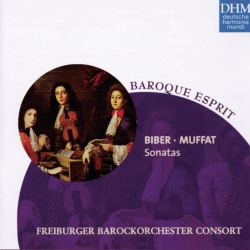
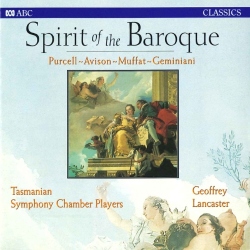
Featured Music