


Franz Liszt
Nun danket alle Gott, for chorus, brass, percussion & organ ad lib, S. 61
Released Album
Recent Album
Works Info
Composer:Franz LisztGenre:ChoralStyle:ChoralCompose Date:1883Publication Date:1884First Performance:Jun 30, 1883Average_duration:2:09Franz Liszt's 'Nun danket alle Gott' is a sacred choral work that was composed in 1877. The piece was premiered on November 18, 1877, in Weimar, Germany, under the direction of Liszt himself. The composition is based on the hymn of the same name, which was written by Martin Rinkart in the 17th century. The piece is divided into three movements, each of which is characterized by its own unique musical style and instrumentation. The first movement is a grand and majestic choral setting of the hymn, featuring a full choir accompanied by brass and percussion. The second movement is a more subdued and introspective setting of the hymn, featuring a solo soprano accompanied by organ. The final movement is a triumphant and celebratory setting of the hymn, featuring a full choir accompanied by brass and percussion. One of the most notable characteristics of 'Nun danket alle Gott' is its use of brass and percussion. Liszt employs these instruments to great effect, creating a powerful and majestic sound that perfectly complements the grandeur of the choral writing. The use of organ ad lib also adds to the piece's sense of grandeur and majesty. Overall, 'Nun danket alle Gott' is a stunning example of Liszt's skill as a composer of sacred choral music. Its powerful and majestic sound, combined with its beautiful choral writing and use of brass and percussion, make it a true masterpiece of the genre.More....
Works Music
Released Music
1
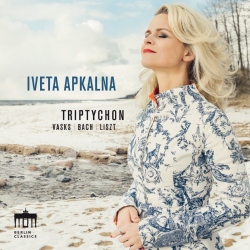
Now thank God, for chorus, brass, percussion & organ ad lib, p. 61
Nun danket alle Gott, S.61
7:17
2
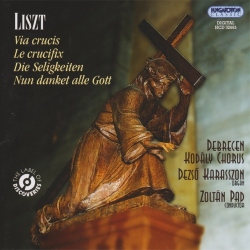
Now thank God, for chorus, brass, percussion & organ ad lib, p. 61
Nun danket alle Gott, S. 61
6:41

4
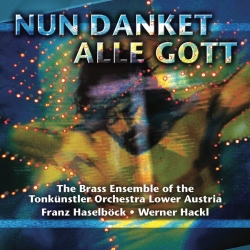
2:9