Franz Joseph Haydn
Baryton Trio in G major, H. 11/55
Released Album
Recent Album
Works Info
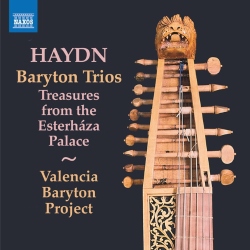
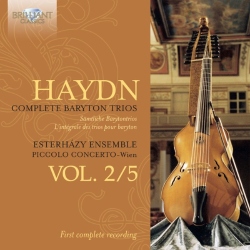
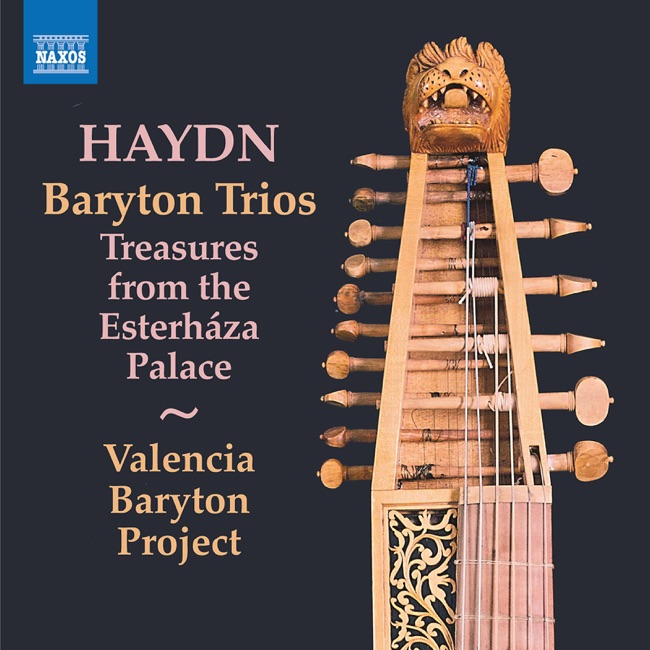
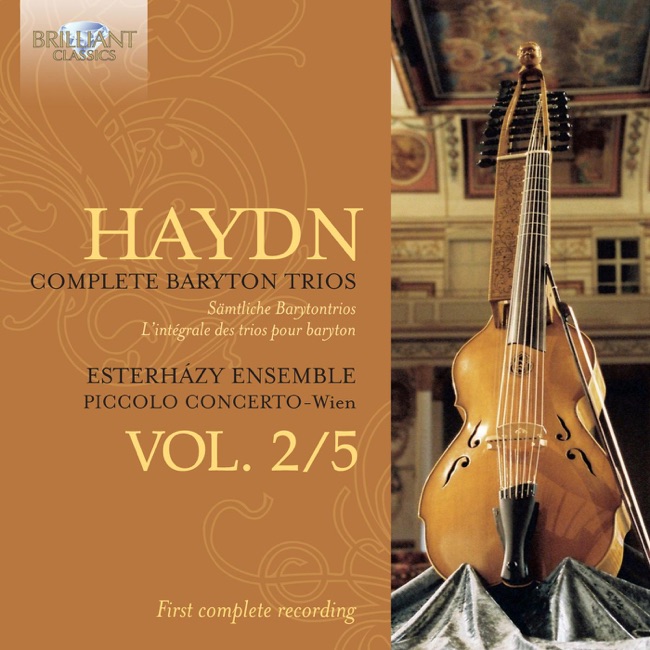
Composer:Franz Joseph HaydnGenre:ChamberAverage_duration:8:46Movement_count:3Movement ....Franz Joseph Haydn's Baryton Trio in G major, H. 11/55, was composed in the late 1760s for Prince Nikolaus Esterházy, who was an avid player of the baryton, a stringed instrument similar to the viola da gamba. The piece was likely premiered at the Esterházy court in Eisenstadt, Austria, where Haydn was employed as a court musician. The Baryton Trio in G major consists of three movements: a fast-paced Allegro, a slow and lyrical Adagio, and a lively Minuet and Trio. The piece is scored for baryton, viola, and cello, with the baryton taking the lead role and the viola and cello providing accompaniment. One of the most notable characteristics of the Baryton Trio in G major is its use of the baryton, which is featured prominently throughout the piece. Haydn takes advantage of the baryton's unique capabilities, including its ability to play both bowed and plucked notes, to create a rich and varied texture. The viola and cello provide a solid foundation for the baryton's virtuosic flourishes, adding depth and complexity to the overall sound. In the first movement, the baryton introduces a lively and energetic theme that is passed between the three instruments. The Adagio is a beautiful and expressive melody that showcases the baryton's ability to play long, sustained notes. The final Minuet and Trio is a playful and dance-like movement that features a catchy melody and lively rhythms. Overall, the Baryton Trio in G major is a charming and delightful piece that highlights Haydn's skill as a composer and his ability to write for a variety of instruments. Its use of the baryton adds a unique and distinctive element to the music, making it a must-hear for fans of classical chamber music.More....
Works Music
Released Music