


Franz Liszt
Chasse-neige, etude for piano in D flat major, S. 139/12
Released Album
Recent Album


Works Info
Composer:Franz LisztGenre:KeyboardStyle:Etude: ConcertCompose Date:1851Publication Date:1852Average_duration:6:37Franz Liszt's 'Chasse-neige, etude for piano in D flat major, S. 139/12' is a virtuosic piece that was composed in 1852. It is the twelfth and final etude in his set of Transcendental Etudes, which were originally composed in the 1830s and revised in the 1850s. The piece premiered in Weimar, Germany in 1852. The title 'Chasse-neige' translates to 'Snow Plow' in English, and the piece is meant to evoke the image of a snowstorm. The piece is in D flat major and is written in a fast tempo, with a time signature of 2/2. It is marked 'Allegro con fuoco', which means 'fast and fiery'. The piece is divided into three main sections, each with its own distinct character. The first section is marked 'Presto', and features rapid arpeggios and cascading runs that evoke the swirling of snowflakes in a blizzard. The second section is marked 'Meno mosso', and is more subdued, with a melody that is played in the left hand while the right hand plays a series of chords. This section is meant to represent the calm that comes after a snowstorm, when the snow has settled and the world is quiet. The final section is marked 'Presto', and is a return to the frenzied energy of the opening section. Liszt uses a variety of techniques to create the sound of a snowstorm, including tremolos, trills, and rapid octave jumps. The piece ends with a series of thunderous chords that bring the storm to a dramatic close. Overall, 'Chasse-neige' is a challenging and virtuosic piece that showcases Liszt's technical prowess as a pianist and composer. Its evocative imagery and dramatic energy make it a popular choice for pianists looking to showcase their skills.More....
Works Music
Released Music
1
6:13
2
5:36

4
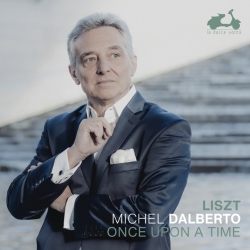
Chasse-neige, etude for piano in D flat major, pp. 139/12
Études d'exécution transcendante: Chasse-neige, S. 139/12
5:30
5
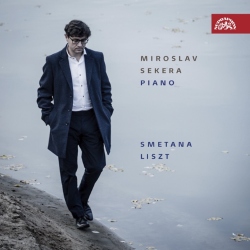
Chasse-neige, etude for piano in D flat major, pp. 139/12
Transcendental Etude No. 12 "Chasse-eige", S 139/12
6:13
6
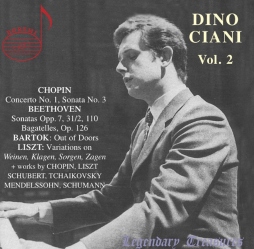
Chasse-neige, etude for piano in D flat major, pp. 139/12
Chasse-Neige (Etude d'exécution transcendante No. 12)
5:9
7
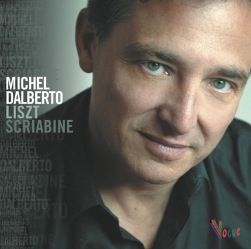
5:37
8
Chasse-neige, etude for piano in D flat major, pp. 139/12
Études d'exécution transcendante, S 139/12, Chasse-neige
5:29
9
Chasse-neige, etude for piano in D flat major, pp. 139/12
Chasse-neige in B minor (Études d'exécution transcendente, S. 139/12)
4:55
10
5:2