Japanese Traditional
San Ya, for shakuhachi
Released Album
Recent Album
Works Info
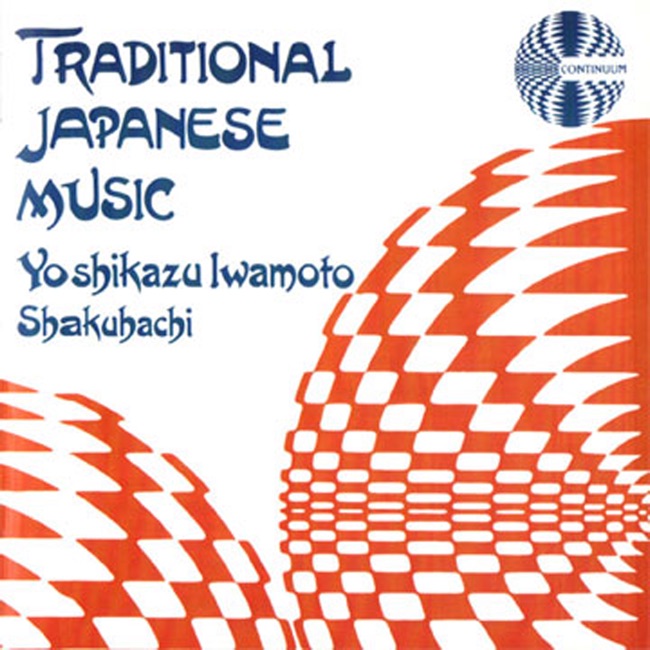
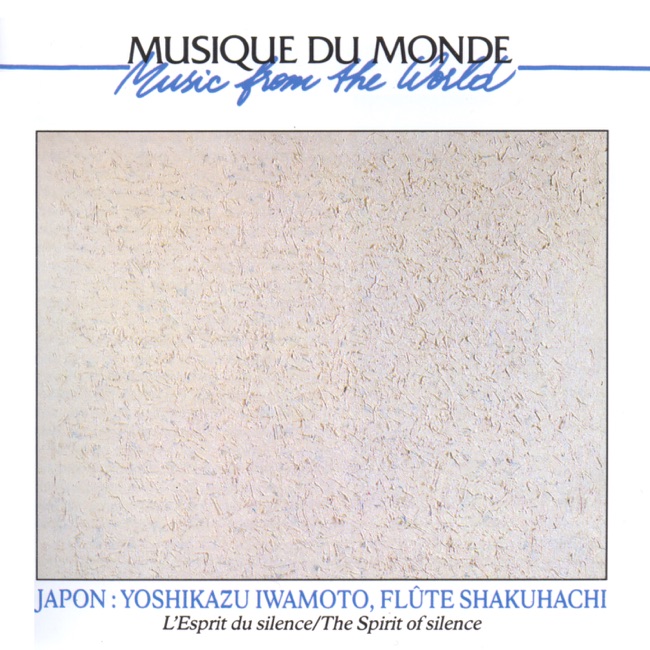
Composer:Japanese TraditionalGenre:ChamberStyle:Chamber MusicAverage_duration:10:34San Ya, for shakuhachi, is a traditional Japanese piece of music that has been passed down through generations. The exact date of its composition is unknown, but it is believed to have originated in the Edo period (1603-1868). The piece is typically performed solo on the shakuhachi, a traditional Japanese bamboo flute. San Ya is divided into three movements, each with its own distinct characteristics. The first movement, called "Sanya Sugagaki," is a slow and contemplative piece that sets the mood for the rest of the composition. The second movement, "Sanya Sugagaki," is more lively and features faster rhythms and more complex melodies. The final movement, "Sanya Sugagaki," is a return to the slower, more contemplative style of the first movement. One of the defining characteristics of San Ya is its use of the shakuhachi's unique sound. The instrument is capable of producing a wide range of tones, from soft and breathy to sharp and piercing. The composer of San Ya takes advantage of this range, using a variety of techniques to create a rich and varied sound. Another characteristic of San Ya is its use of silence. The piece features several moments of silence, which serve to heighten the impact of the music when it returns. This use of silence is a common feature of traditional Japanese music, and is intended to create a sense of space and contemplation. San Ya has been performed and recorded by many shakuhachi players over the years, and remains a popular piece of traditional Japanese music. Its timeless beauty and haunting melodies continue to captivate audiences around the world.More....
Works Music