


Japanese Traditional
Released Album
Vocal
-
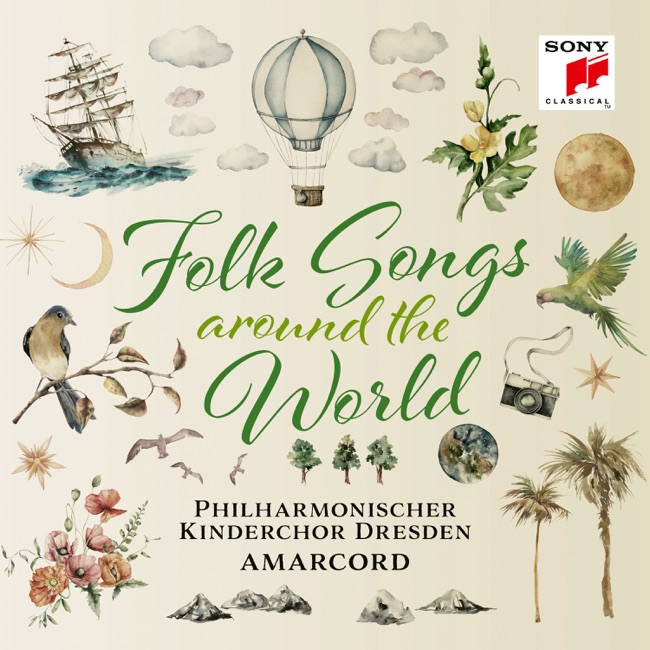 November 3, 2023
 -
 December 30, 2022
 -
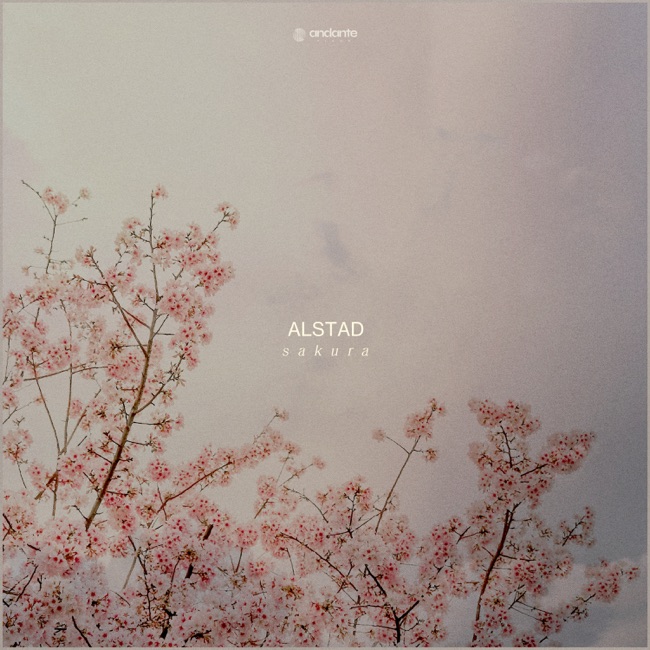 August 19, 2022
 -
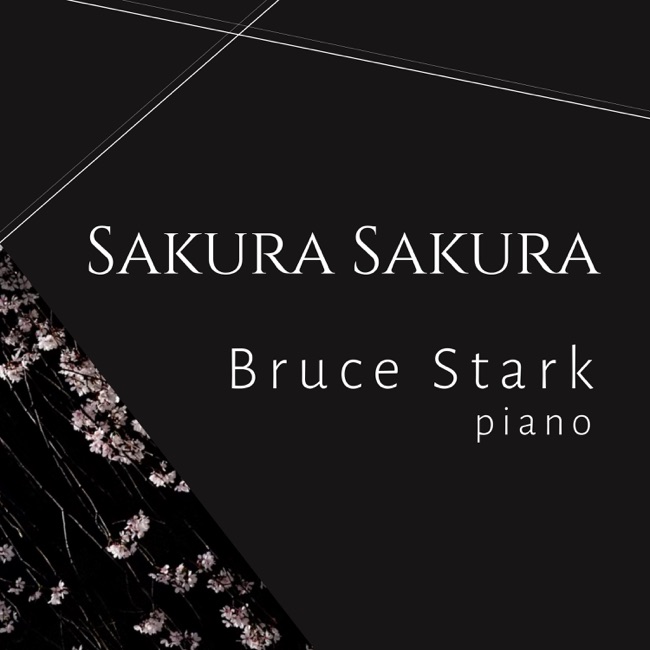 March 28, 2022
 -
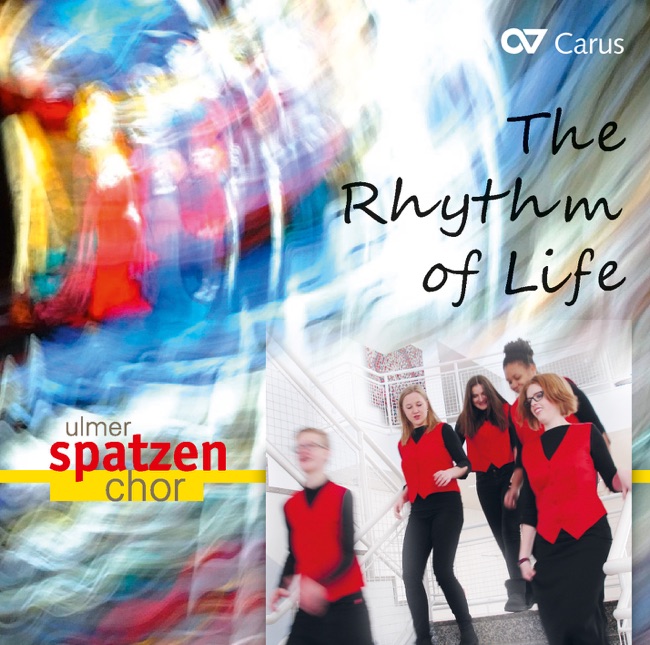 July 21, 2017
 -
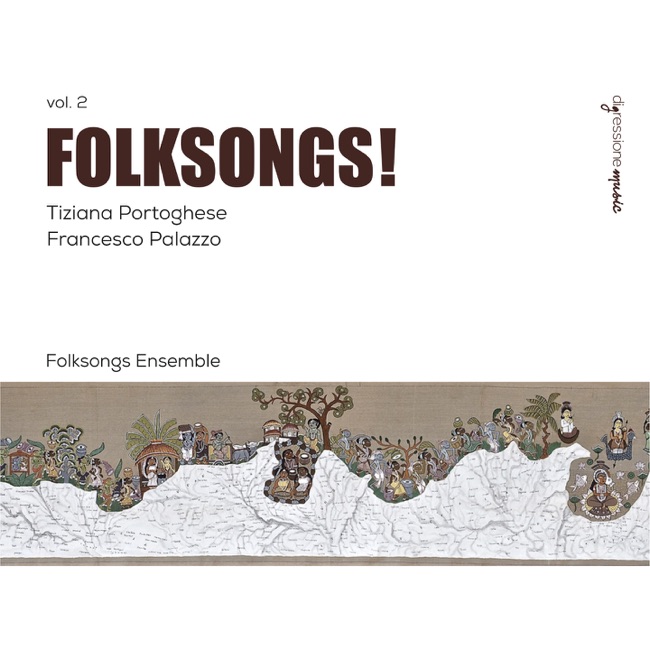 June 2, 2017
Miscellaneous
-
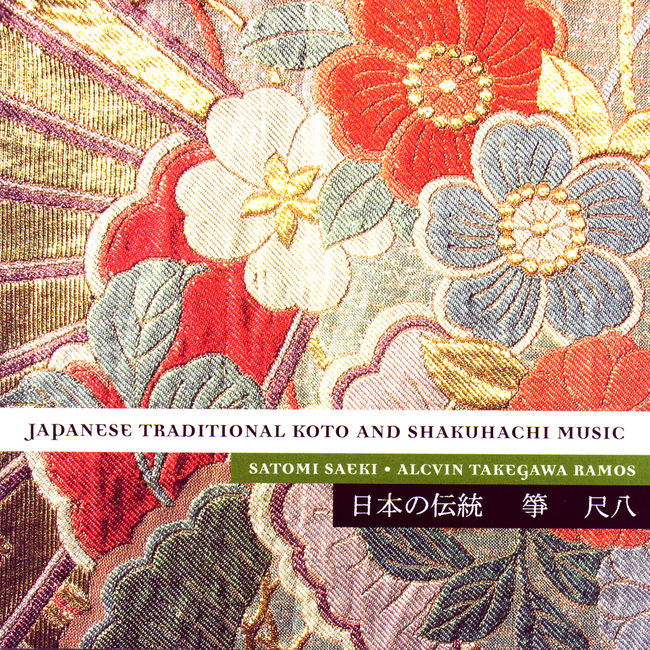 January 23, 2006
 -
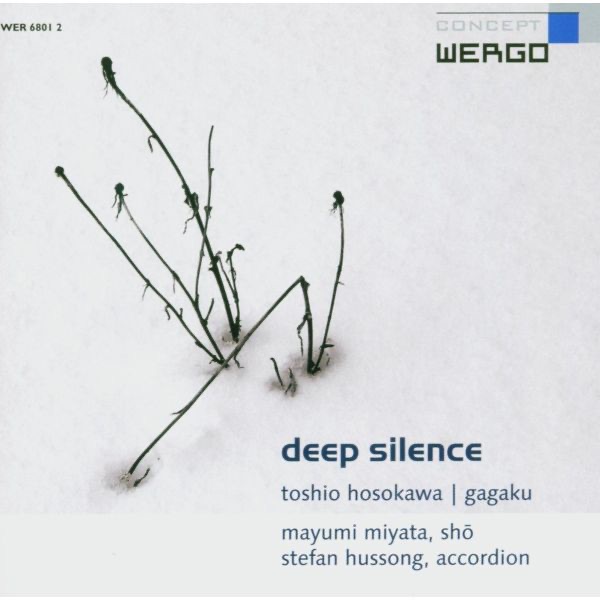 November 9, 2004
 -
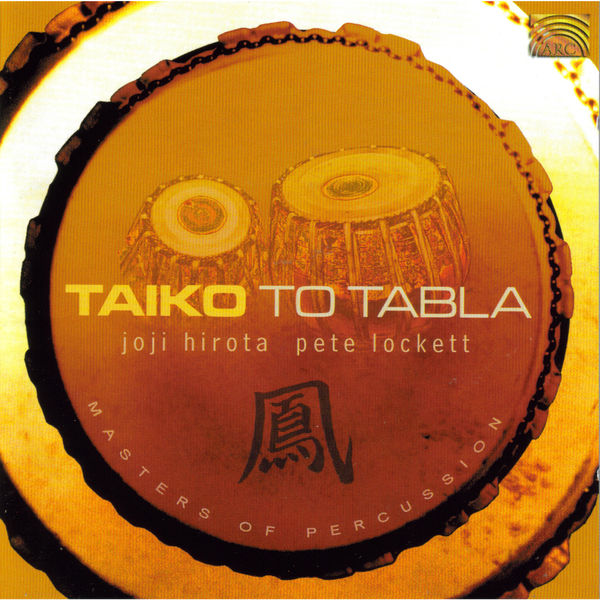 June 22, 2004
 -
Chamber
-
 March 1, 2014
 -
 November 22, 2011
 -
 April 8, 2008
 -
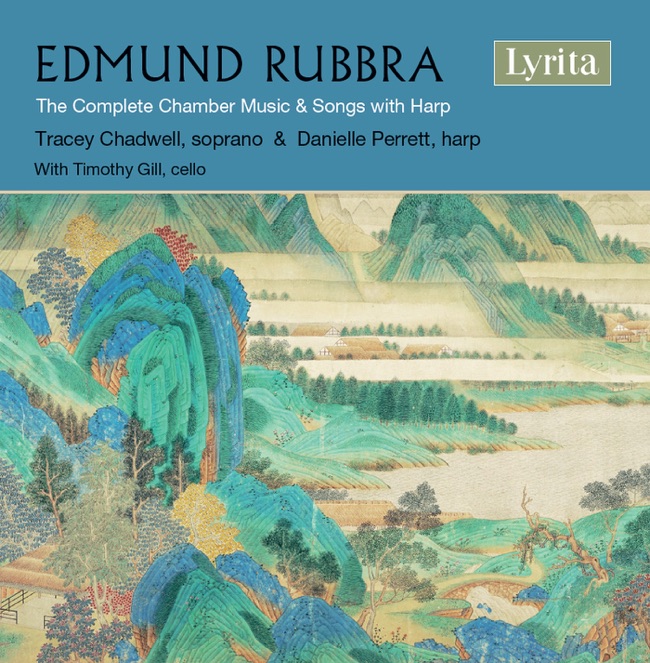 October 20, 1998
 -
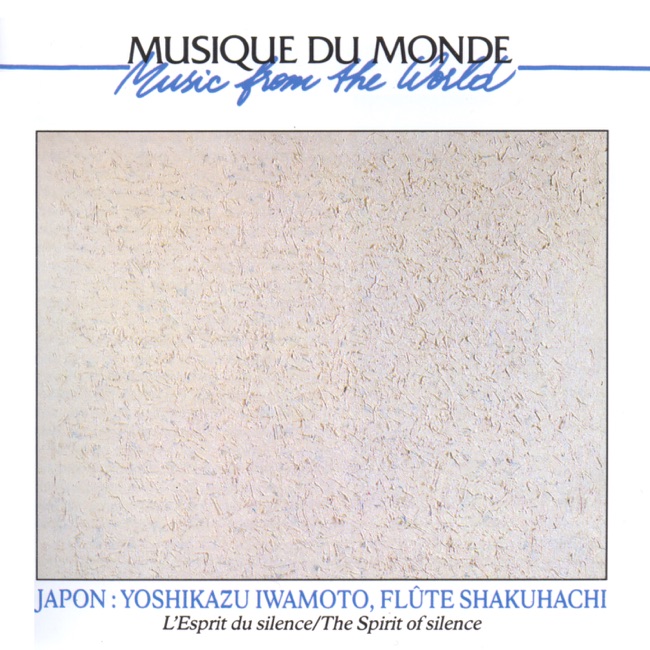 September 1, 1995
Artist Info
Role:ComposerGenre:VocalJapanese traditional music has a rich history that dates back centuries. The music is deeply rooted in Japanese culture and has been passed down from generation to generation. One of the most prominent composers of Japanese traditional music is Michio Miyagi. Michio Miyagi was born on April 7, 1894, in Kobe, Japan. His father was a musician who played the shamisen, a traditional Japanese stringed instrument. Miyagi began playing the shamisen at a young age and quickly showed a talent for music. He also began studying the koto, another traditional Japanese instrument, and the piano. Miyagi's musical education was interrupted when he was drafted into the Japanese army during World War I. He served as a medic and was stationed in China. During his time in China, Miyagi was exposed to Chinese music and began incorporating elements of it into his own compositions. After the war, Miyagi returned to Japan and resumed his musical studies. He began composing his own music and quickly gained a reputation as a talented composer. In 1921, he composed his most famous work, "Haru no Umi" (The Sea in Spring). The piece was written for koto and shakuhachi, a traditional Japanese bamboo flute. "Haru no Umi" became an instant classic and is still widely performed today. Miyagi continued to compose music throughout his life, blending traditional Japanese music with elements of Western classical music. He also worked to promote traditional Japanese music and instruments, founding the Miyagi Michio Memorial Foundation to support the study and performance of traditional Japanese music. In addition to his musical career, Miyagi was also a teacher and mentor to many young musicians. He taught at the Tokyo Music School (now the Tokyo University of the Arts) and the NHK School of Music. His students included some of the most prominent musicians in Japan, including koto player Tadao Sawai and shakuhachi player Katsuya Yokoyama. Miyagi's legacy continues to be felt in Japan and around the world. His compositions are still widely performed and his influence can be heard in the work of many contemporary Japanese composers. In 1958, he was awarded the Order of Culture, one of Japan's highest honors, in recognition of his contributions to Japanese music. Michio Miyagi passed away on June 25, 1956, at the age of 62. His music continues to inspire and delight audiences around the world, and his legacy as one of the greatest composers of Japanese traditional music is secure.More....




Recommend Playlist




Related Artists
Copyright Ⓒ 2013 Davinci Finger. All rights reseved
Service Terms & Policy