Heitor Villa-Lobos
Chôros No. 7 "Setemino", A. 199
Released Album
Recent Album



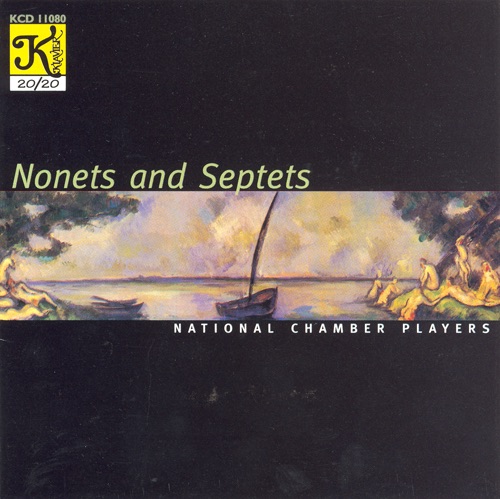

Featured Album
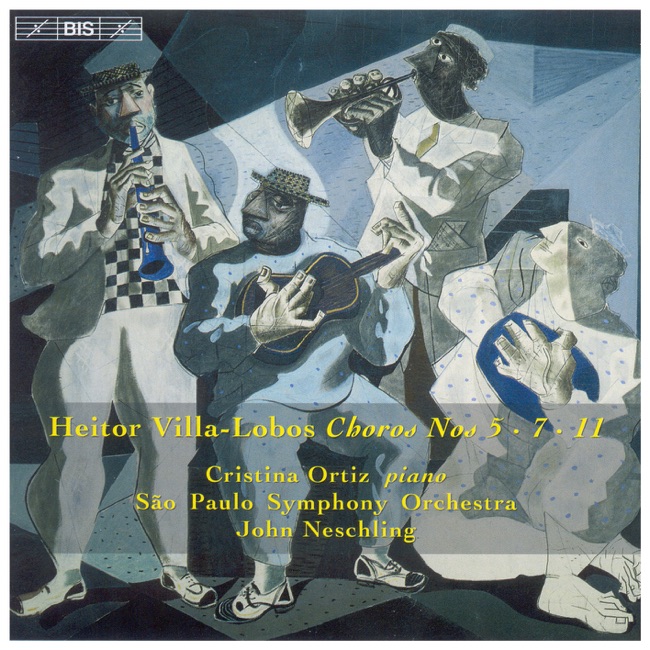
Works Info
Composer:Heitor Villa-LobosGenre:ChamberStyle:RhapsodyCompose Date:1923Average_duration:9:29Heitor Villa-Lobos was a Brazilian composer who is known for his unique style of music that blends traditional Brazilian folk music with modern classical music. One of his most famous works is the Chôros No. 7 Setemino, A. 199, which was composed in 1924. The Chôros No. 7 Setemino, A. 199 is a piece of music that is divided into six movements. The first movement is called "Prelúdio" and is characterized by its slow and melancholic melody. The second movement is called "Festa no Sertão" and is a lively and energetic dance that is inspired by the traditional music of the Brazilian countryside. The third movement is called "Saudades das Selvas Brasileiras" and is a nostalgic and reflective piece that is inspired by the beauty of the Brazilian rainforest. The fourth movement is called "Dança dos Pássaros" and is a playful and whimsical piece that is inspired by the birds of Brazil. The fifth movement is called "Impressões Seresteiras" and is a romantic and sentimental piece that is inspired by the serenades that were popular in Brazil during the early 20th century. The final movement is called "Tocata" and is a fast and virtuosic piece that showcases Villa-Lobos' skill as a composer and performer. The Chôros No. 7 Setemino, A. 199 premiered in Rio de Janeiro in 1924 and was well-received by audiences and critics alike. The piece is known for its innovative use of Brazilian folk music and its incorporation of modern classical techniques. Overall, the Chôros No. 7 Setemino, A. 199 is a masterpiece of Brazilian classical music that showcases Villa-Lobos' unique style and his love for the music of his homeland.More....
Works Music
Released Music
3

8:57
4

9:28
6
9:23

Featured Music