John Browne
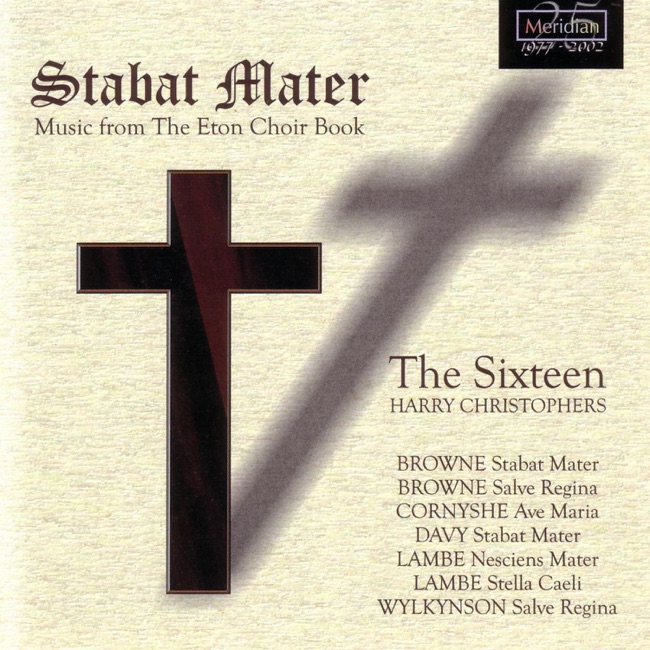
Stabat Mater
Released Album
Recent Album
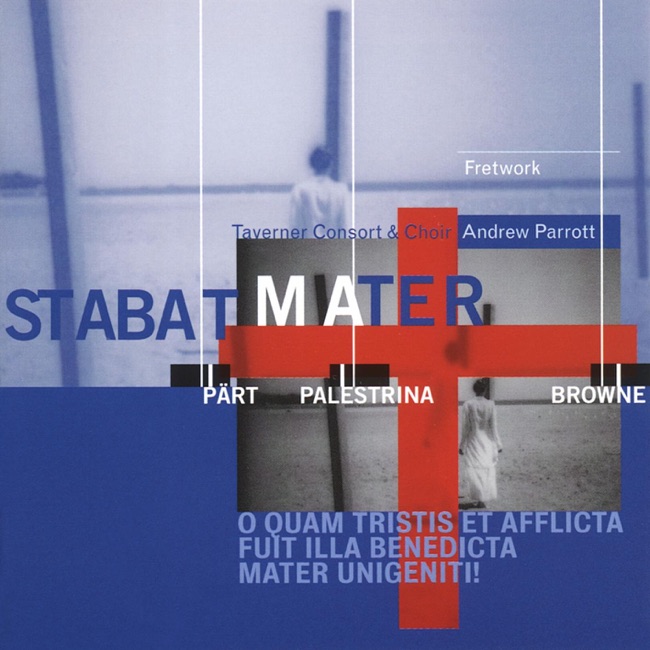
Featured Album
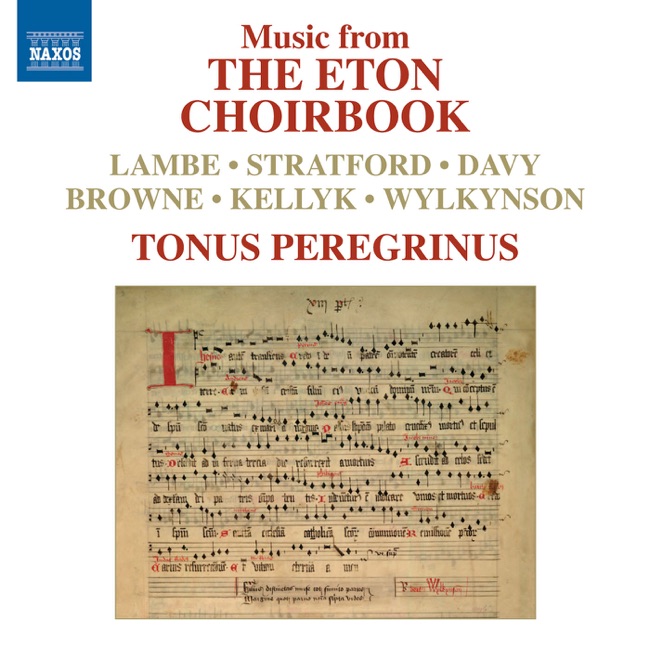
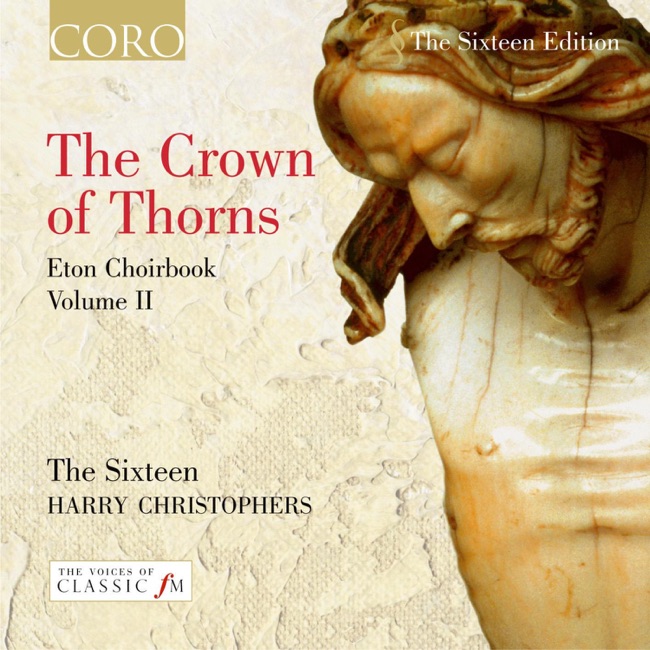
Works Info
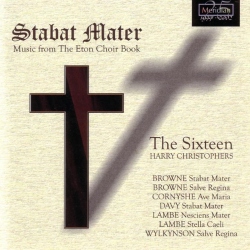
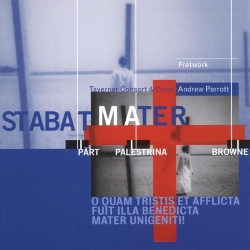
Composer:John BrowneGenre:ChoralStyle:ChoralAverage_duration:14:45John Browne's 'Stabat Mater' is a choral work that was composed in the early 16th century. The exact date of composition is unknown, but it is believed to have been written around 1500. The piece was likely composed for the Chapel Royal, where Browne was a member of the choir. The 'Stabat Mater' is a setting of the Latin hymn of the same name, which describes the sorrow of Mary as she stands at the foot of the cross during the crucifixion of Jesus. The hymn has been set to music by many composers throughout history, but Browne's setting is particularly notable for its complexity and emotional depth. The 'Stabat Mater' is divided into six movements, each of which explores a different aspect of Mary's grief. The first movement sets the opening lines of the hymn, with the choir singing in unison. The second movement features a solo soprano, who sings a mournful melody over a simple choral accompaniment. The third movement is a duet for alto and tenor, which expresses the pain of Mary as she watches her son suffer. The fourth movement is a complex and intricate setting of the text, with the choir weaving in and out of different harmonies and textures. The fifth movement is a solo for bass, which expresses the despair of Mary as she watches her son die. The final movement is a powerful and emotional setting of the final lines of the hymn, with the choir singing in unison once again. Browne's 'Stabat Mater' is notable for its use of complex harmonies and intricate polyphony. The piece is also notable for its emotional depth and expressive power, which captures the intense grief and sorrow of Mary as she witnesses the crucifixion of her son. Overall, the 'Stabat Mater' is a masterpiece of Renaissance choral music, and a testament to Browne's skill as a composer.More....
Works Music
Released Music
Featured Music