John Blow
Sonata á 4 in A major
Released Album
Recent Album
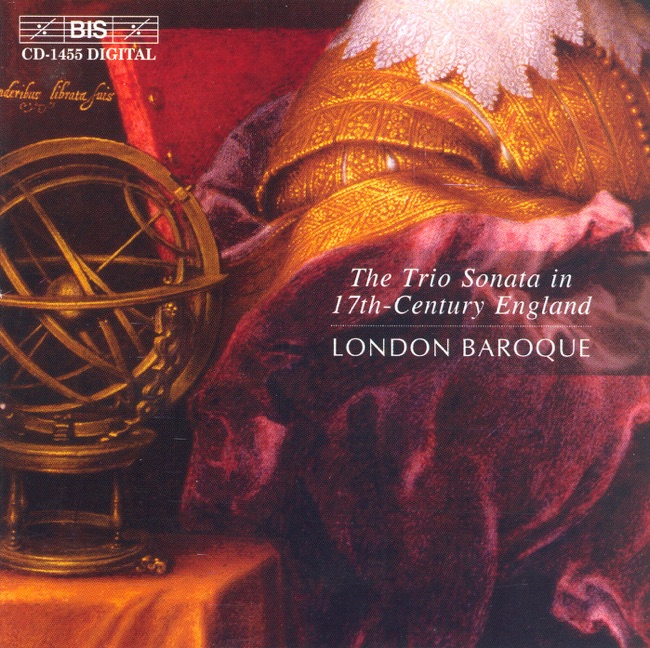
Featured Album
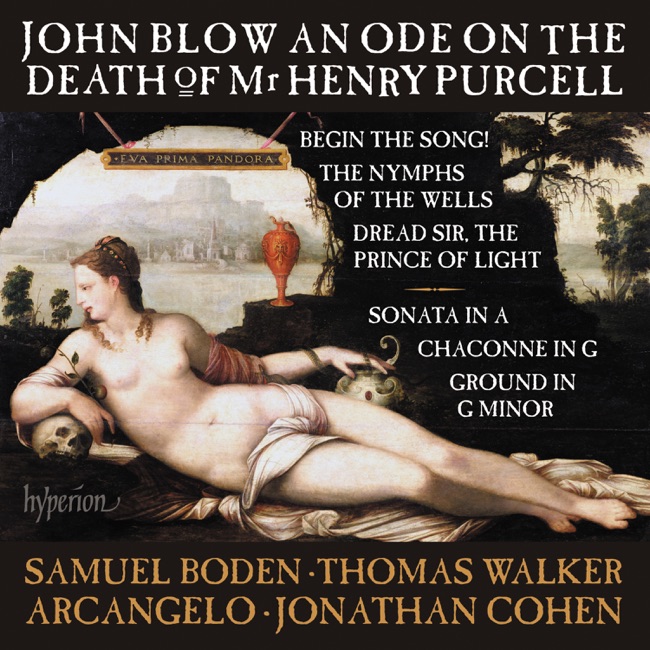
Works Info
Composer:John BlowGenre:ChamberStyle:SonataAverage_duration:5:42Movement_count:3Movement ....John Blow's 'Sonata á 4 in A major' is a Baroque instrumental work that was composed in the late 17th century. The exact date of composition is unknown, but it is believed to have been written sometime between 1680 and 1690. The piece was premiered in London, England, and was likely performed by a small ensemble of string instruments. The 'Sonata á 4 in A major' is comprised of four movements, each with its own distinct character and style. The first movement is a lively and energetic Allegro, featuring a fast-paced melody that is passed between the different instruments. The second movement is a slower Adagio, characterized by its mournful and melancholic tone. The third movement is a lively and dance-like Minuet, featuring a playful melody that is repeated and developed throughout the movement. The final movement is a fast and energetic Allegro, featuring a complex and intricate melody that is passed between the different instruments. One of the most notable characteristics of the 'Sonata á 4 in A major' is its use of counterpoint, a technique in which multiple melodies are played simultaneously and interwoven to create a complex and harmonious sound. This technique is particularly evident in the first and final movements of the piece, where the different instruments play off of each other to create a rich and layered texture. Another notable characteristic of the 'Sonata á 4 in A major' is its use of ornamentation, a common feature of Baroque music. Ornamentation refers to the embellishments and flourishes that are added to the melody to make it more expressive and decorative. In the 'Sonata á 4 in A major', ornamentation is used to add depth and complexity to the melody, particularly in the slower and more contemplative movements. Overall, John Blow's 'Sonata á 4 in A major' is a masterful example of Baroque instrumental music, featuring complex melodies, intricate counterpoint, and expressive ornamentation. Its premiere in London would have been a significant event in the musical world of the late 17th century, and its enduring popularity today is a testament to its enduring beauty and complexity.More....