Gabriel Fauré
Puisque j'ai mis ma lèvre
Released Album
Recent Album
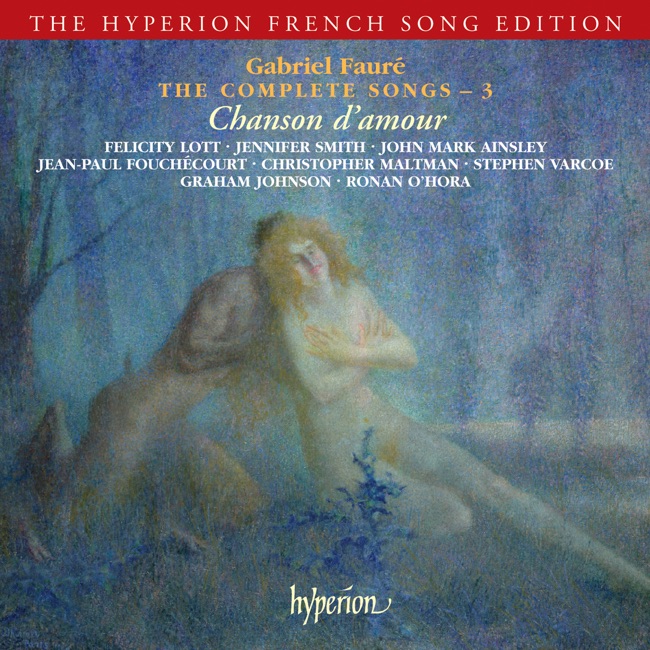
Featured Album
Works Info
Composer:Gabriel FauréGenre:VocalStyle:SongCompose Date:Dec 8, 1862Average_duration:3:14Gabriel Fauré's "Puisque j'ai mis ma lèvre" is a song for voice and piano, composed in 1882. It was premiered in Paris in the same year, with the composer accompanying the singer. The song is part of a collection of 20 mélodies, Op. 4, which Fauré composed between 1878 and 1883. "Puisque j'ai mis ma lèvre" is a setting of a poem by Paul Verlaine, which describes the speaker's longing for a lost love. The song is in the key of F-sharp minor and has a slow, mournful tempo. It is divided into three sections, each with its own distinct character. The first section begins with a simple, descending piano melody, which sets the melancholic tone of the song. The singer enters with the first line of the poem, "Puisque j'ai mis ma lèvre à ta coupe encor pleine," and the melody rises and falls with the natural inflections of the text. The piano accompaniment is sparse, with occasional chords and arpeggios that add to the sense of longing. The second section is more agitated, with a faster tempo and more complex piano accompaniment. The singer repeats the first line of the poem, but this time with a sense of urgency and desperation. The melody is more angular and dissonant, reflecting the speaker's emotional turmoil. The final section returns to the slower tempo of the opening, but with a sense of resignation and acceptance. The singer repeats the first line of the poem once more, but this time with a sense of finality. The melody is simpler and more lyrical, with a gentle piano accompaniment that fades away at the end. Overall, "Puisque j'ai mis ma lèvre" is a hauntingly beautiful song that captures the essence of Verlaine's poetry and Fauré's musical style. It is a testament to the composer's ability to create deeply emotional and expressive music with a simple melody and sparse accompaniment.More....
Works Music
Released Music
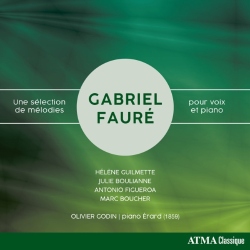
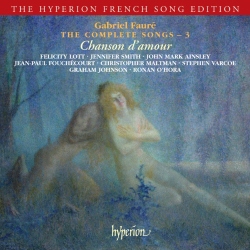
Featured Music