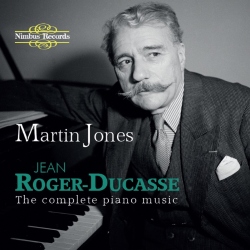
Jean Roger-Ducasse
Esquisses
Released Album
Recent Album
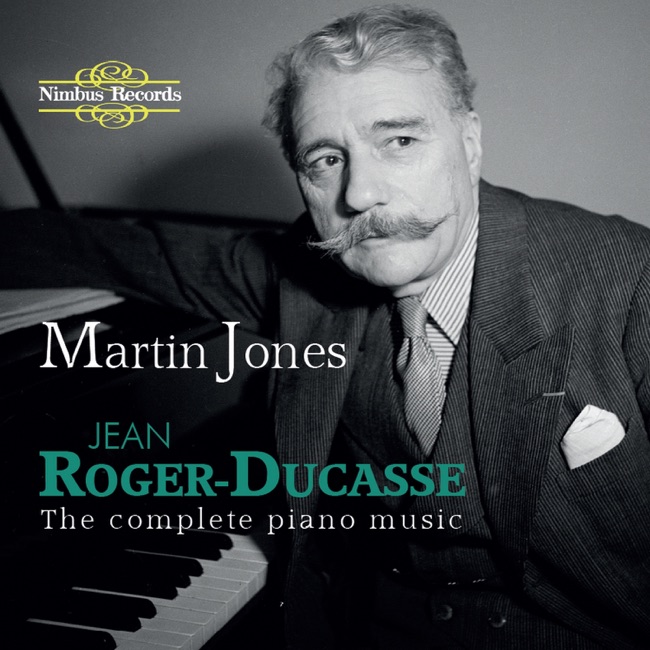
Works Info
Composer:Jean Roger-DucasseGenre:KeyboardCompose Date:1917Average_duration:7:06Movement_count:4Movement ....Jean Roger-Ducasse's 'Esquisses' is a piano suite composed in 1908. It premiered in Paris on May 12, 1909, with the composer himself performing. The suite consists of four movements, each with its own distinct character and style. The first movement, titled 'Prélude,' is marked by its flowing, lyrical melody and delicate harmonies. It begins with a gentle, arpeggiated figure in the left hand, which is soon joined by a simple, yet expressive melody in the right hand. The music gradually builds in intensity, with the melody becoming more ornate and the harmonies more complex, before subsiding into a quiet, introspective coda. The second movement, 'Sarabande,' is a slow, stately dance in triple meter. It features a rich, sonorous melody in the right hand, accompanied by a simple, repetitive figure in the left hand. The music is marked by its expressive phrasing and subtle use of rubato, which gives the piece a sense of fluidity and grace. The third movement, 'Toccata,' is a lively, virtuosic piece that showcases the pianist's technical prowess. It is marked by its rapid, staccato figurations and driving rhythms, which create a sense of urgency and excitement. The music builds to a frenzied climax before abruptly ending on a single, emphatic chord. The final movement, 'Choral et Fugue,' is a grand, majestic piece that draws on the traditions of Baroque counterpoint. It begins with a solemn, hymn-like melody in the right hand, accompanied by a simple, chordal figure in the left hand. The music gradually builds in complexity, with the introduction of a contrapuntal theme in the left hand that is soon taken up by the right hand. The two themes intertwine and develop, building to a powerful climax before subsiding into a quiet, reflective coda. Overall, 'Esquisses' is a masterful showcase of Jean Roger-Ducasse's compositional skill and pianistic technique. Its four movements are united by a sense of lyricism and expressiveness, while also showcasing a wide range of styles and moods. It remains a beloved work in the piano repertoire to this day.More....
Works Music
Released Music