Gabriel Fauré
Symphony in F major "Suite", Op. 20
Released Album
Recent Album
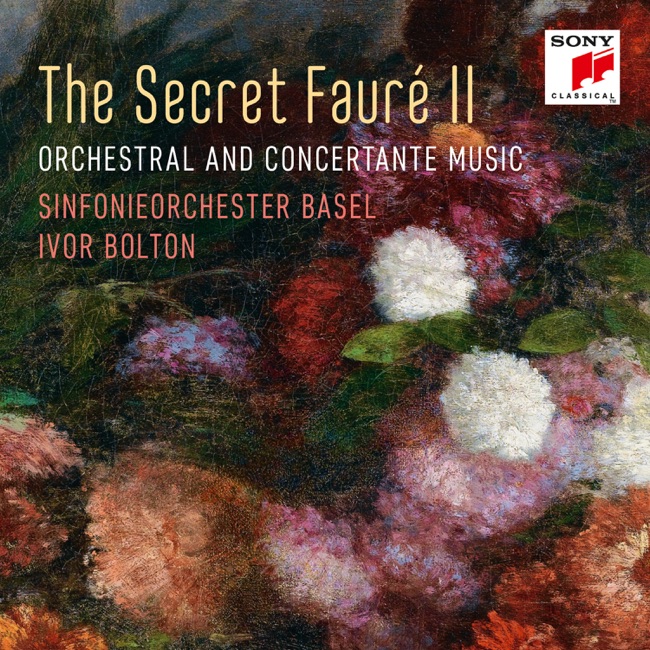

Works Info
Composer:Gabriel FauréGenre:SymphonyStyle:SymphonyCompose Date:1866 - 1873Movement_count:4Movement ....Gabriel Fauré's Symphony in F major Suite, Op. 20, was composed in 1883 and premiered on November 22, 1884, at the Société Nationale de Musique in Paris. The suite consists of four movements: Prelude, Sicilienne, Menuet, and Gigue. The Prelude is a lively and energetic movement that sets the tone for the entire suite. It begins with a fanfare-like motif in the brass section, which is then taken up by the strings. The music builds to a climax before subsiding into a quieter section, which features a lyrical melody in the woodwinds. The Sicilienne is a slow and graceful movement that features a beautiful melody in the strings. The music is characterized by its gentle, lilting rhythm and its use of lush harmonies. The Sicilienne is one of Fauré's most famous pieces, and it has been arranged for a variety of instruments and ensembles. The Menuet is a lively dance movement that features a playful melody in the woodwinds. The music is characterized by its light, airy texture and its use of syncopated rhythms. The Menuet is followed by a Trio section, which features a more lyrical melody in the strings. The Gigue is a fast and lively dance movement that brings the suite to a rousing conclusion. The music is characterized by its driving rhythms and its use of imitative counterpoint. The Gigue features a number of virtuosic passages for the various instruments, and it ends with a triumphant flourish. Overall, Fauré's Symphony in F major Suite, Op. 20, is a charming and delightful work that showcases the composer's skill at writing for orchestra. The music is characterized by its elegant melodies, its lush harmonies, and its playful rhythms, and it remains a popular work in the orchestral repertoire to this day.More....
Works Music
Released Music