Heitor Villa-Lobos
Rudepoêma, for piano, A. 184
Released Album
Recent Album





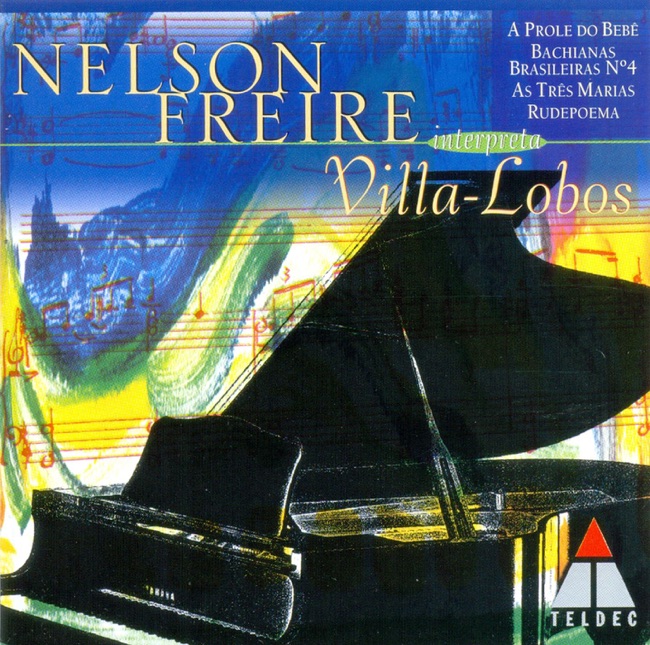

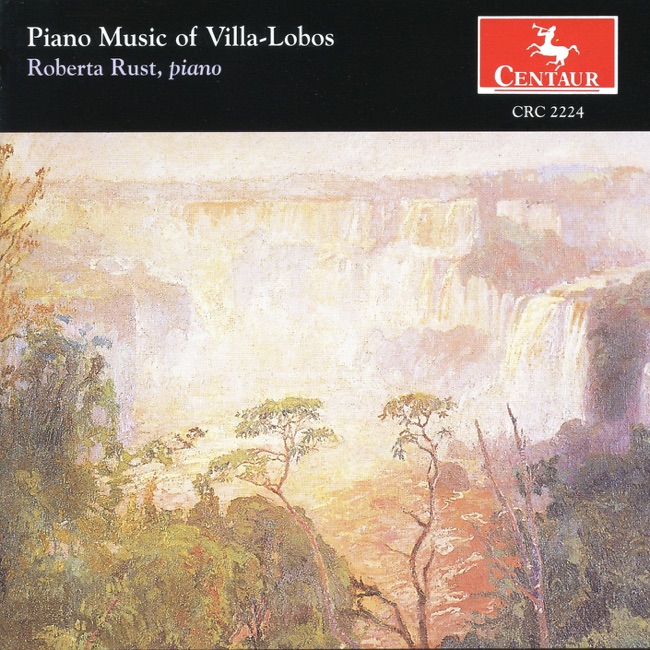
Works Info
Composer:Heitor Villa-LobosGenre:KeyboardStyle:Character PieceCompose Date:1921 - 1926Average_duration:19:28Rudepoêma, for piano, A. 184, is a composition by the Brazilian composer Heitor Villa-Lobos. It was composed in 1921 and premiered in Rio de Janeiro in 1926. The piece is considered one of Villa-Lobos' most challenging works for piano, both technically and musically. Rudepoêma is divided into three movements, each with its own distinct character. The first movement, "Animé," is a fast and lively piece that showcases Villa-Lobos' use of complex rhythms and harmonies. The second movement, "Très Modéré," is a slower and more introspective piece that features a haunting melody and a sense of melancholy. The final movement, "Brutal," is a frenzied and intense piece that builds to a dramatic climax. One of the defining characteristics of Rudepoêma is its use of Brazilian folk music and rhythms. Villa-Lobos was known for incorporating elements of Brazilian music into his compositions, and Rudepoêma is no exception. The piece features syncopated rhythms, complex harmonies, and melodic lines that draw on Brazilian folk music traditions. Another notable aspect of Rudepoêma is its technical demands. The piece requires a high level of virtuosity from the pianist, with fast and intricate passages that require precision and agility. The piece also features unconventional techniques, such as playing inside the piano and using the piano lid as a percussion instrument. Overall, Rudepoêma is a challenging and complex work that showcases Villa-Lobos' unique style and his ability to blend elements of Brazilian folk music with classical forms. Its premiere in 1926 was a significant moment in Brazilian music history, and the piece remains a staple of the piano repertoire today.More....
Works Music
Released Music