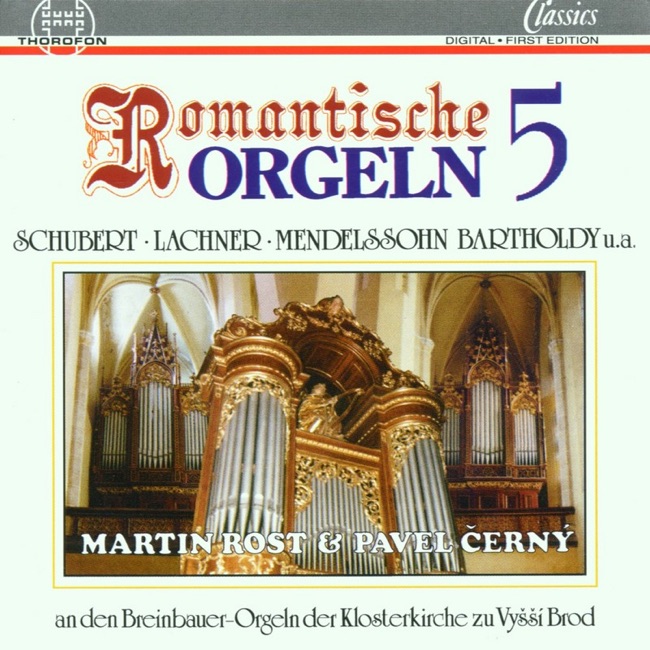
Franz Paul Lachner
Introduction and Fugue, Op. 62
Released Album
Recent Album
Works Info
Composer:Franz Paul LachnerGenre:MiscellaneousStyle:FugueAverage_duration:5:17Introduction and Fugue, Op. 62 is a composition for orchestra by Franz Paul Lachner. It was composed in 1853 and premiered in Munich on February 12, 1854. The piece consists of two movements, an introduction and a fugue. The introduction begins with a slow, solemn theme played by the strings. This theme is then repeated by the woodwinds and brass, creating a sense of grandeur and majesty. The tempo gradually increases, and the music becomes more intense and dramatic. The introduction ends with a powerful chord played by the entire orchestra. The fugue is the second movement of the piece. It begins with a theme played by the strings, which is then repeated by the woodwinds and brass. The theme is then developed and expanded upon, with each section of the orchestra taking turns playing it. The fugue builds in intensity and complexity, with multiple themes and counterpoints interweaving with each other. The music reaches a climax with a final statement of the main theme played by the entire orchestra. The characteristics of Introduction and Fugue, Op. 62 are typical of Lachner's style. He was known for his use of traditional forms and structures, such as the fugue, and his emphasis on melody and harmony. The piece is also notable for its use of orchestration, with each section of the orchestra given a chance to shine. Lachner's music is often described as romantic and emotional, with a focus on expressing deep feelings and emotions through music. Overall, Introduction and Fugue, Op. 62 is a powerful and dramatic piece of music that showcases Lachner's skill as a composer. Its use of traditional forms and orchestration, combined with its emotional intensity, make it a memorable and impressive work.More....
Works Music
Released Music