Jan Dismas Zelenka
Magnificat in C major, ZWV 107
Released Album
Recent Album
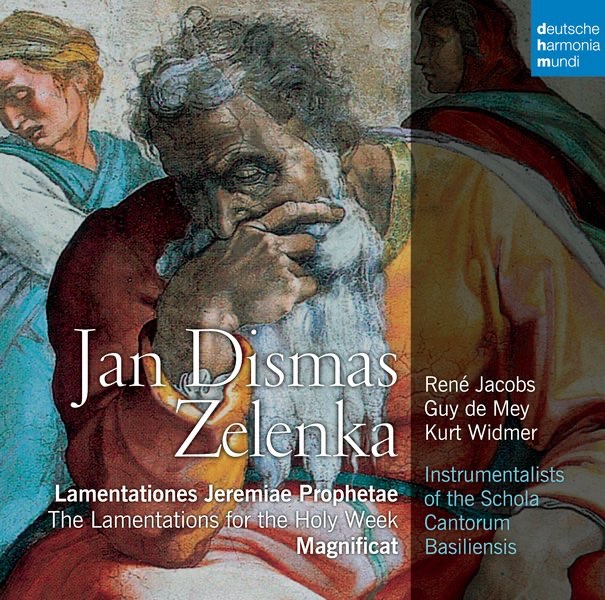
Works Info
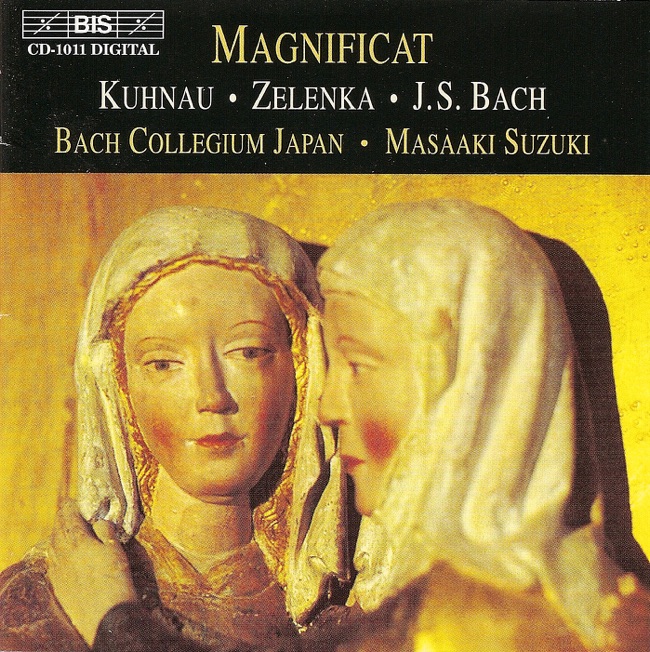
Composer:Jan Dismas ZelenkaGenre:ChoralStyle:MagnificatCompose Date:1727Publication Date:1735Average_duration:11:35Movement_count:4Movement ....Jan Dismas Zelenka's Magnificat in C major, ZWV 107, is a sacred choral work composed in the Baroque era. It was likely composed in the early 1730s during Zelenka's tenure as Kapellmeister at the Dresden court. The piece is scored for five vocal soloists (soprano, alto, tenor, bass, and basso continuo), a four-part choir, and an orchestra consisting of two oboes, bassoon, two trumpets, timpani, strings, and continuo. The Magnificat in C major, ZWV 107, is divided into twelve movements, each corresponding to a verse of the Magnificat text. The first movement, "Magnificat anima mea Dominum," is a grand choral setting featuring the full choir and orchestra. The second movement, "Et exultavit spiritus meus," is a lively duet for soprano and alto accompanied by the orchestra. The third movement, "Quia respexit humilitatem," is a tender aria for alto with a solo violin obbligato. The fourth movement, "Omnes generationes," is a triumphant chorus with trumpets and timpani. The fifth movement, "Quia fecit mihi magna," is a joyful soprano aria with a virtuosic violin solo. The sixth movement, "Et misericordia," is a duet for alto and tenor with a gentle, flowing melody. The seventh movement, "Fecit potentiam," is a powerful chorus with trumpets and timpani. The eighth movement, "Deposuit potentes," is a bass aria with a solo cello obbligato. The ninth movement, "Esurientes implevit bonis," is a duet for soprano and alto with a lilting, dance-like rhythm. The tenth movement, "Suscepit Israel," is a gentle alto aria with a solo oboe obbligato. The eleventh movement, "Sicut locutus est," is a lively chorus with trumpets and timpani. The final movement, "Gloria Patri," is a grand choral setting featuring the full choir and orchestra. The Magnificat in C major, ZWV 107, is characterized by its rich harmonies, expressive melodies, and virtuosic instrumental writing. Zelenka's use of trumpets and timpani in several movements adds to the grandeur and celebratory nature of the piece. The solo arias and duets showcase the individual voices of the vocal soloists, while the choral movements demonstrate Zelenka's skill in writing for multiple voices. Overall, the Magnificat in C major, ZWV 107, is a masterful example of Baroque sacred music and a testament to Zelenka's skill as a composer.More....
Works Music
Released Music