Anton Liste
Grand Sonata for piano duet, Op. 2
Released Album
Recent Album
-
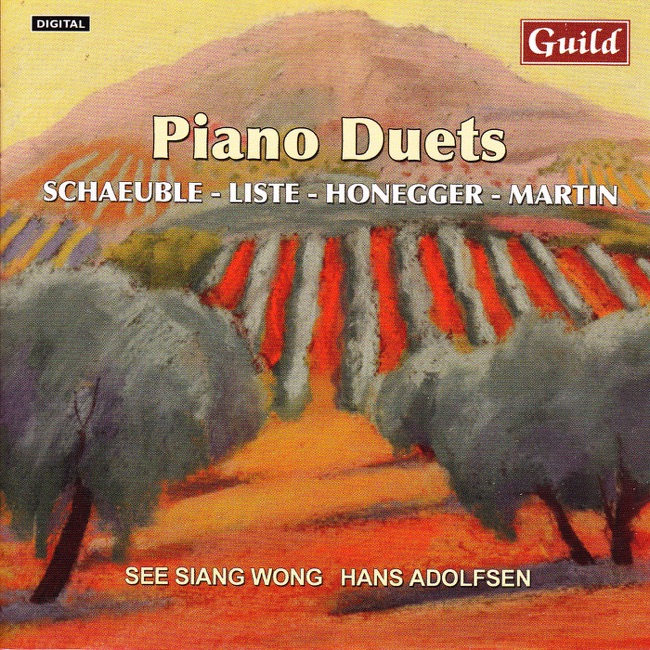
-
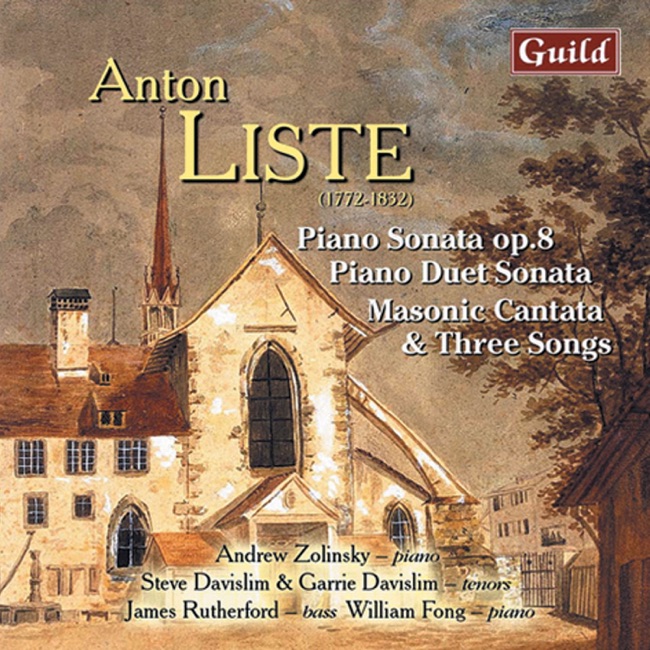 Various ArtistsJuly 25, 2000
Works Info
Composer:Anton ListeGenre:KeyboardStyle:SonataAverage_duration:26:06Anton Liste's Grand Sonata for piano duet, Op. 2, was composed in the early 19th century and premiered in Vienna in 1819. The piece is divided into four movements, each with its own distinct character and style. The first movement, marked Allegro moderato, begins with a lively and energetic theme played by both pianos in unison. The theme is then developed and expanded upon, with each piano taking turns playing variations on the melody. The movement also features a slower, more lyrical section in the middle, before returning to the main theme and ending with a flourish. The second movement, marked Andante con moto, is a slower and more introspective piece. It begins with a simple, melancholy melody played by one piano, which is then echoed and embellished by the other. The movement builds to a climax before subsiding into a quiet and reflective coda. The third movement, marked Scherzo: Allegro vivace, is a lively and playful piece in triple meter. It features a fast and intricate piano part, with both pianos playing off each other in a call-and-response style. The movement also includes a slower, more lyrical section in the middle, before returning to the main theme and ending with a virtuosic coda. The final movement, marked Allegro ma non troppo, is a fast and energetic piece that brings the sonata to a thrilling conclusion. It begins with a lively and syncopated theme played by both pianos, which is then developed and expanded upon throughout the movement. The movement also includes a slower, more lyrical section in the middle, before returning to the main theme and ending with a triumphant coda. Overall, Liste's Grand Sonata for piano duet, Op. 2, is a virtuosic and engaging work that showcases the composer's skill at writing for two pianos. The piece features a wide range of styles and moods, from the lively and energetic first and fourth movements to the introspective and melancholy second movement. It remains a popular work in the piano duet repertoire to this day.More....