Georg Philipp Telemann
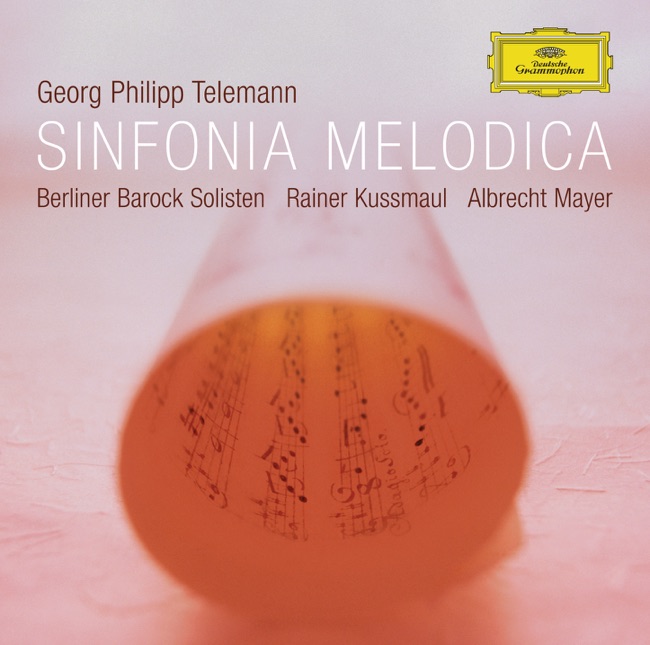
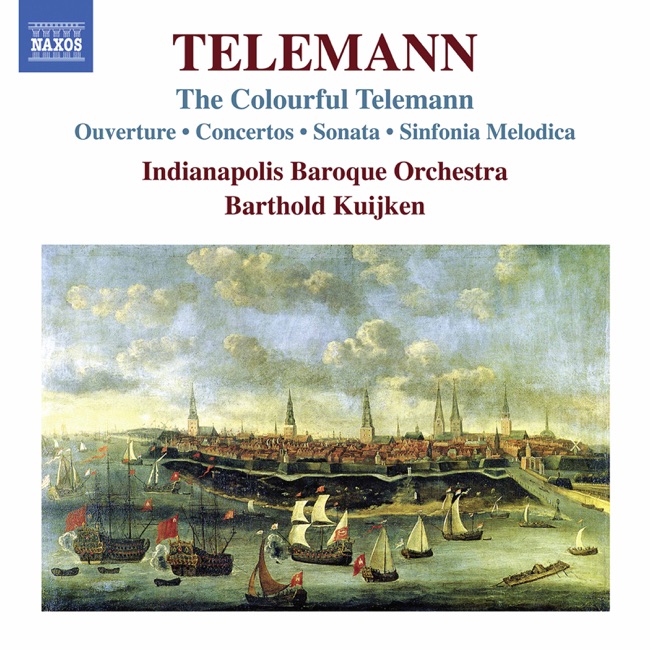
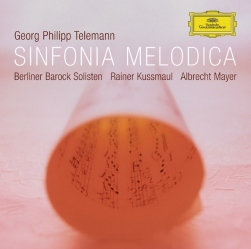
Sinfonia melodica in D major, TWV 50:2
Released Album
Recent Album
Featured Album
Works Info
Composer:Georg Philipp TelemannGenre:OrchestralStyle:OrchestralCompose Date:1763 - 1764Publication Date:1936Average_duration:10:10Movement_count:7Movement ....Georg Philipp Telemann's Sinfonia melodica in D major, TWV 50:2, is a Baroque orchestral work that was composed in the early 18th century. The piece is believed to have been written around 1715-1720, during Telemann's tenure as Kapellmeister in Eisenach. The Sinfonia melodica in D major is one of Telemann's most popular works, and it is frequently performed by orchestras around the world. The Sinfonia melodica in D major is a three-movement work that features a solo violin and a small orchestra. The first movement is marked "Allegro," and it begins with a lively and energetic theme played by the solo violin. The orchestra then joins in, and the music becomes more complex and intricate as the movement progresses. The second movement is marked "Largo," and it is a slow and lyrical piece that showcases the solo violin's expressive capabilities. The final movement is marked "Allegro," and it is a fast and lively piece that features virtuosic passages for the solo violin. One of the characteristics of the Sinfonia melodica in D major is its use of counterpoint. Telemann was a master of counterpoint, and he often used it to create complex and intricate musical textures. In the Sinfonia melodica in D major, the solo violin and the orchestra engage in a lively and intricate dialogue, with each voice contributing to the overall musical texture. Another characteristic of the Sinfonia melodica in D major is its use of ornamentation. Baroque music was known for its elaborate ornamentation, and Telemann was no exception. In the Sinfonia melodica in D major, the solo violin is frequently ornamented with trills, turns, and other embellishments, which add to the piece's overall beauty and complexity. The Sinfonia melodica in D major premiered during Telemann's lifetime, although the exact date and location of the premiere are unknown. However, the piece has remained popular over the centuries, and it is frequently performed by orchestras around the world. Its combination of virtuosic solo passages, intricate counterpoint, and elaborate ornamentation make it a beloved work of the Baroque era.More....
Works Music
Released Music
Featured Music
3
1:13
5
59