


Franz Liszt
Ballad aus Der fliegende Holländer (after Wagner), S. 441
Released Album
Recent Album

Works Info
Composer:Franz LisztGenre:KeyboardStyle:KeyboardCompose Date:1872Publication Date:1876Average_duration:6:12Franz Liszt's "Ballad aus Der fliegende Holländer (after Wagner), S. 441" is a piano transcription of Richard Wagner's opera "The Flying Dutchman." Liszt composed the piece in 1843, the same year that Wagner's opera premiered in Dresden. The transcription consists of four movements, each of which captures the drama and intensity of Wagner's original work. The first movement, marked "Largo," begins with a haunting melody that sets the tone for the entire piece. Liszt's use of chromaticism and dissonance creates a sense of unease and tension, reflecting the story of the cursed Dutchman who is doomed to sail the seas forever. The movement builds to a climax before subsiding into a quiet, mournful coda. The second movement, marked "Allegro," is a lively scherzo that captures the energy and excitement of the sailors on board the Dutchman's ship. Liszt's use of rapid arpeggios and syncopated rhythms creates a sense of motion and urgency, as if the ship is being tossed about on the waves. The third movement, marked "Adagio," is a tender and lyrical interlude that features a beautiful melody played in the right hand over a simple accompaniment in the left. This movement provides a moment of respite from the drama and intensity of the previous movements, allowing the listener to reflect on the emotional depth of the story. The final movement, marked "Allegro agitato," is a thrilling finale that brings the piece to a dramatic close. Liszt's use of octaves and rapid runs creates a sense of urgency and excitement, as if the Dutchman's curse is finally being lifted. The movement builds to a triumphant climax before ending with a final flourish. Overall, Liszt's "Ballad aus Der fliegende Holländer" is a masterful transcription that captures the essence of Wagner's opera while showcasing Liszt's virtuosic piano writing. The piece is a testament to the enduring power of Wagner's music and the skill of Liszt as a composer and pianist.More....
Works Music
Released Music
2
6:1

5
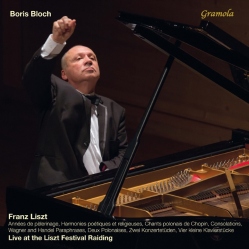
Ballad from The Flying Dutchman (after Wagner), p. 441
Der fliegende Holländer S 441: Ballade
5:50
6
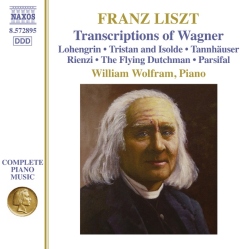
Ballad from The Flying Dutchman (after Wagner), p. 441
Ballade aus dem fliegenden Holländer, S. 441 R. 274
4:58
7
5:48
8
5:49
9

5:46
10
5:28