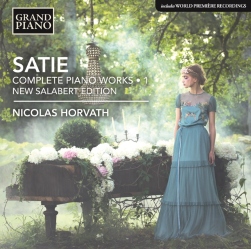
Erik Satie
Chanson hongroise
Released Album
Recent Album
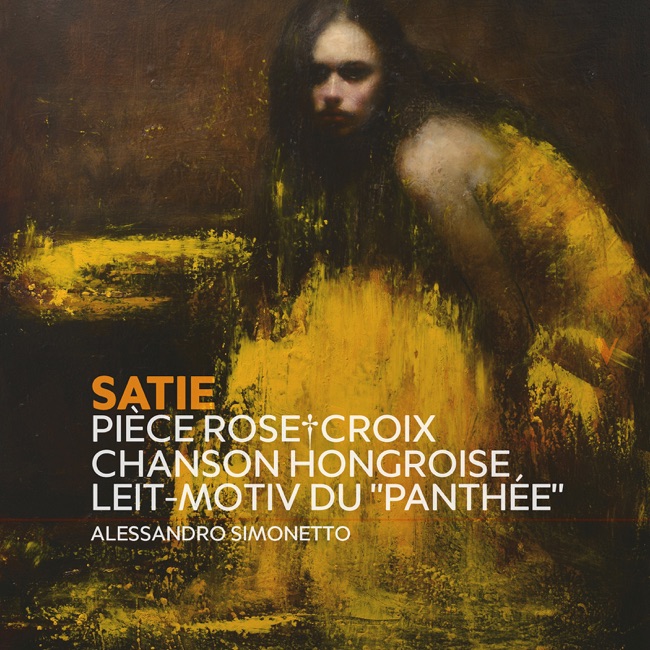
Featured Album
Works Info
Composer:Erik SatieGenre:KeyboardCompose Date:1889Average_duration:0:33Erik Satie's "Chanson hongroise" is a solo piano piece that was composed in 1890. It premiered on May 18, 1890, at the Salle Pleyel in Paris, France. The piece is part of Satie's early works and is one of his most popular compositions. "Chanson hongroise" is a single-movement piece that is characterized by its simple and repetitive melody. The piece is written in the key of G minor and has a moderate tempo. The melody is played in the right hand while the left hand provides a simple accompaniment. The piece is influenced by Hungarian folk music, which was popular in Paris at the time. Satie was known for his interest in different musical styles and often incorporated them into his compositions. The use of Hungarian folk music in "Chanson hongroise" gives the piece a unique and exotic sound. The piece begins with a simple melody played in the right hand. The left hand provides a simple accompaniment that consists of broken chords. The melody is repeated several times with slight variations. The piece then transitions to a section where the left hand takes over the melody while the right hand provides the accompaniment. This section is more complex than the previous section and features more intricate rhythms. The piece then returns to the original melody, which is played in the right hand. The left hand provides a more complex accompaniment that features arpeggios and broken chords. The piece ends with a simple repetition of the melody. Overall, "Chanson hongroise" is a simple and charming piece that showcases Satie's interest in different musical styles. The use of Hungarian folk music gives the piece a unique and exotic sound that sets it apart from Satie's other compositions. The piece is still popular today and is often performed by pianists around the world.More....
Works Music
Released Music

2
13
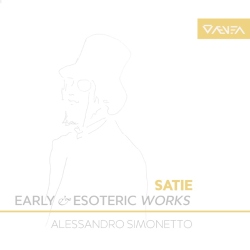
Featured Music