Benjamin Britten
This Way to the Tomb
Released Album
Recent Album

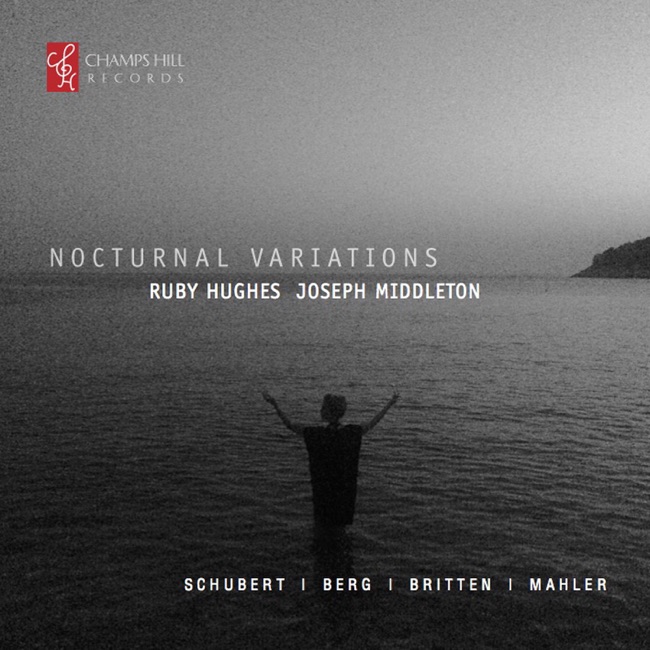
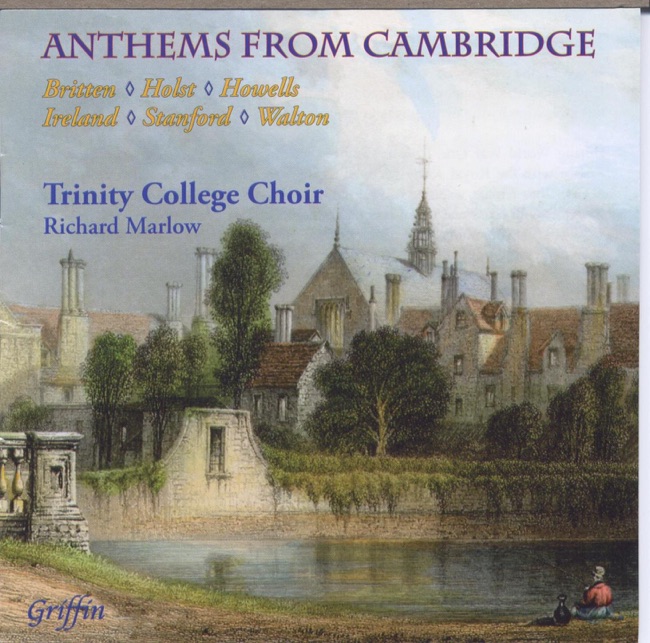
Works Info
Composer:Benjamin BrittenGenre:ChoralStyle:Incidental MusicCompose Date:1945Benjamin Britten's 'This Way to the Tomb' is a song cycle composed in 1945. It was premiered on 22nd October 1945 at the Wigmore Hall in London, with Britten himself accompanying the singer, Peter Pears. The cycle consists of five movements, each of which is based on a poem by W.H. Auden. The first movement, 'Stop all the clocks', is a mournful elegy that sets the tone for the rest of the cycle. The second movement, 'Underneath the abject willow', is a somber reflection on death and the transience of life. The third movement, 'If grief could burn out', is a more hopeful meditation on the possibility of finding solace in the midst of sorrow. The fourth movement, 'Night covers up the rigid land', is a haunting depiction of the desolation that can accompany loss. The final movement, 'At the grave of Richard Wagner', is a tribute to the great composer, but also a reminder of the inevitability of death. Throughout the cycle, Britten's music is characterized by its spareness and simplicity. The piano accompaniment is often spare and understated, allowing the singer's voice to take center stage. The vocal lines are similarly restrained, with Britten eschewing the grandiose gestures that were popular in much of the music of the time. Instead, he focuses on the emotional content of the text, using subtle shifts in harmony and rhythm to underscore the meaning of the words. Overall, 'This Way to the Tomb' is a powerful and moving work that showcases Britten's skill as a composer and his sensitivity as an artist. Its themes of loss, grief, and mortality are universal, and its music is both beautiful and deeply affecting.More....