


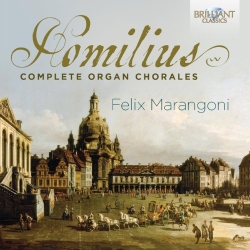
Gottfried August Homilius
Wer Nun Den Lieben Gott Lasst Walten
Released Album
Recent Album
Works Info
Composer:Gottfried August HomiliusGenre:MiscellaneousStyle:MiscellaneousAverage_duration:2:47Wer Nun Den Lieben Gott Lasst Walten is a sacred cantata composed by Gottfried August Homilius in the late 18th century. The cantata was written for four-part choir and orchestra and is based on a hymn by Georg Neumark. The cantata is divided into six movements and was first performed in 1770. The first movement is an instrumental introduction that sets the tone for the rest of the cantata. It features a lively and joyful melody played by the orchestra, which is then echoed by the choir. The second movement is a chorale that features the full choir singing the hymn "Wer Nun Den Lieben Gott Lasst Walten." The melody is simple and straightforward, with the choir singing in unison. The third movement is a duet for soprano and tenor. The two voices intertwine and harmonize beautifully, creating a sense of intimacy and tenderness. The fourth movement is a recitative for bass, which serves as a bridge between the duet and the following aria. The bass sings of the comfort and peace that comes from trusting in God. The fifth movement is an aria for alto, which is one of the highlights of the cantata. The melody is hauntingly beautiful, and the alto's voice soars above the orchestra, expressing the deep emotions of the text. The final movement is a chorale that brings the cantata to a close. The choir sings the hymn once again, this time with a sense of triumph and joy. Overall, Wer Nun Den Lieben Gott Lasst Walten is a beautiful and uplifting work that showcases Homilius's skill as a composer. The cantata is characterized by its simple yet powerful melodies, its use of harmony and counterpoint, and its ability to convey a sense of faith and hope.More....
Works Music
Released Music
5
4:20
6
3:45