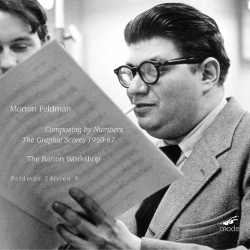
Morton Feldman
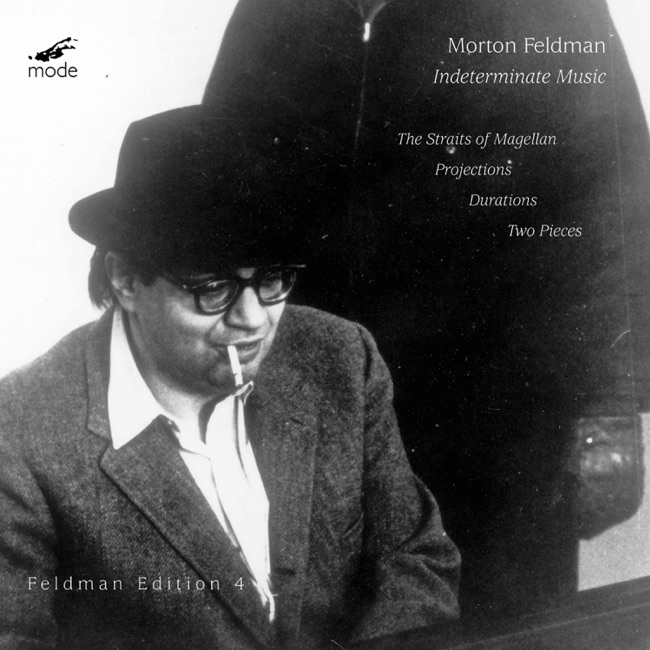
The Straits of Magellan
Released Album
Recent Album
Works Info
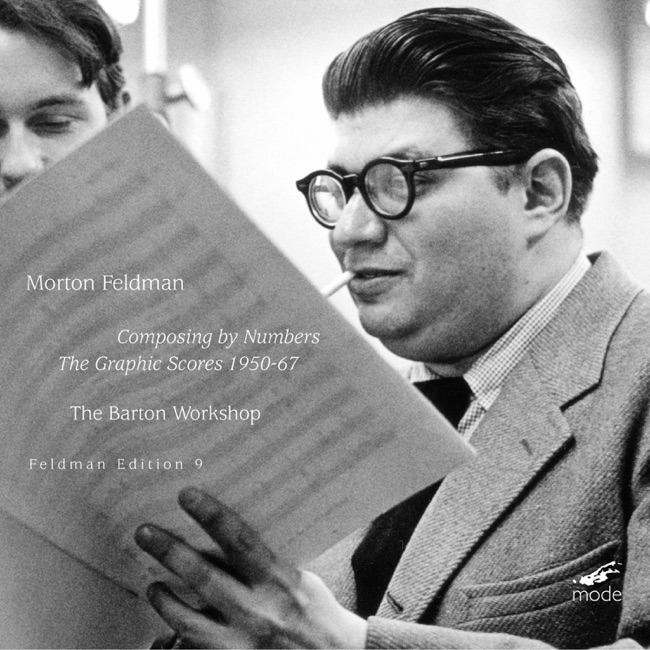
Composer:Morton FeldmanGenre:ChamberStyle:Chamber MusicCompose Date:1961Average_duration:5:13Morton Feldman's "The Straits of Magellan" is a composition for solo piano that was composed in 1961. The piece premiered on May 16, 1962, at the New School for Social Research in New York City, performed by David Tudor. The composition is divided into three movements, each of which is characterized by a distinct mood and musical style. The first movement is marked "very slow and tranquil," and features a series of soft, sustained chords that gradually shift in color and texture. The second movement is marked "fast and nervous," and is characterized by a series of rapid, staccato notes that create a sense of tension and urgency. The final movement is marked "slow and mysterious," and features a series of delicate, ethereal chords that gradually fade into silence. One of the most notable characteristics of "The Straits of Magellan" is its use of silence and space. Feldman was known for his interest in the concept of "indeterminacy," which involved allowing performers to make choices about the timing and duration of certain musical elements. In "The Straits of Magellan," Feldman uses silence and space to create a sense of tension and anticipation, as well as to highlight the subtle shifts in color and texture that occur throughout the piece. Another notable characteristic of the composition is its use of repetition and variation. Feldman was influenced by the music of composers like Erik Satie and John Cage, who were known for their use of repetition and variation as compositional techniques. In "The Straits of Magellan," Feldman uses repetition and variation to create a sense of continuity and coherence, while also allowing for subtle changes in mood and texture. Overall, "The Straits of Magellan" is a haunting and evocative composition that showcases Feldman's unique approach to piano music. Through its use of silence, space, repetition, and variation, the piece creates a sense of mystery and intrigue that draws the listener in and holds their attention throughout its three movements.More....
Works Music