Johann Adam Reincken
Fugue for organ in G minor
Released Album
Recent Album
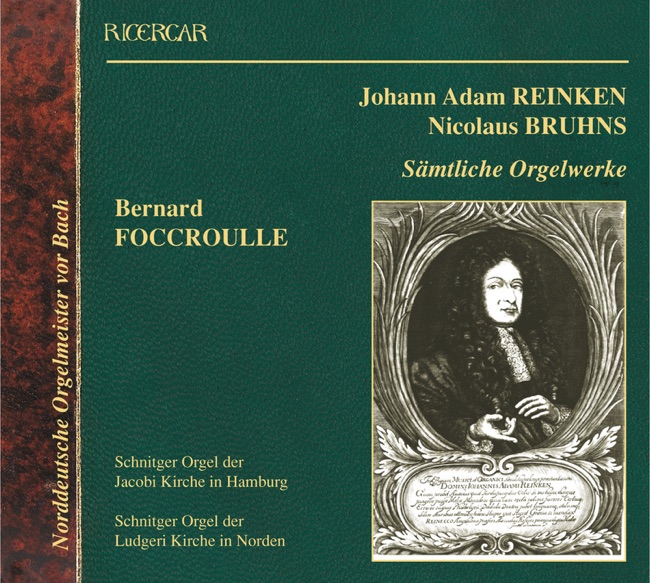

Featured Album

Works Info
Composer:Johann Adam ReinckenGenre:KeyboardStyle:FugueAverage_duration:4:51Johann Adam Reincken's Fugue for organ in G minor is a masterpiece of Baroque music. It was composed in the late 17th century and is considered one of the most significant works of the North German organ school. The piece is known for its intricate counterpoint and virtuosic organ writing. The Fugue for organ in G minor was likely composed in the 1680s or 1690s, during Reincken's tenure as organist at the St. Catherine's Church in Hamburg. The piece was likely intended for use in church services, as was typical of organ music of the time. The Fugue is comprised of four movements, each with its own distinct character. The first movement is a slow and solemn introduction, featuring a descending chromatic scale in the bass. This leads into the second movement, which is a lively and energetic fugue. The fugue subject is introduced in the pedal and is then taken up by the manuals. The counterpoint is complex and intricate, with multiple voices weaving in and out of each other. The third movement is a brief interlude, featuring a simple melody in the right hand accompanied by a flowing arpeggio in the left. This leads into the final movement, which is a grand and triumphant fugue. The subject is introduced in the manuals and is then taken up by the pedal. The counterpoint builds to a climax before resolving in a final cadence. The Fugue for organ in G minor is characterized by its virtuosic organ writing and intricate counterpoint. The piece is a testament to Reincken's skill as a composer and organist, and it remains a beloved work in the organ repertoire to this day.More....
Works Music
Released Music

8
4:37
9
4:39

Featured Music