


Johann Joseph Fux
Overture for 2 oboes, 2 violins, viola & continuo in D minor, E.109
Released Album
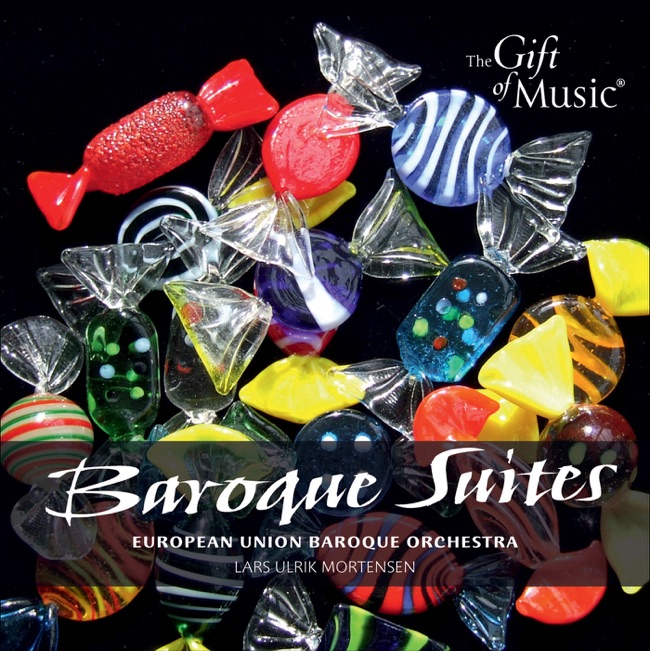
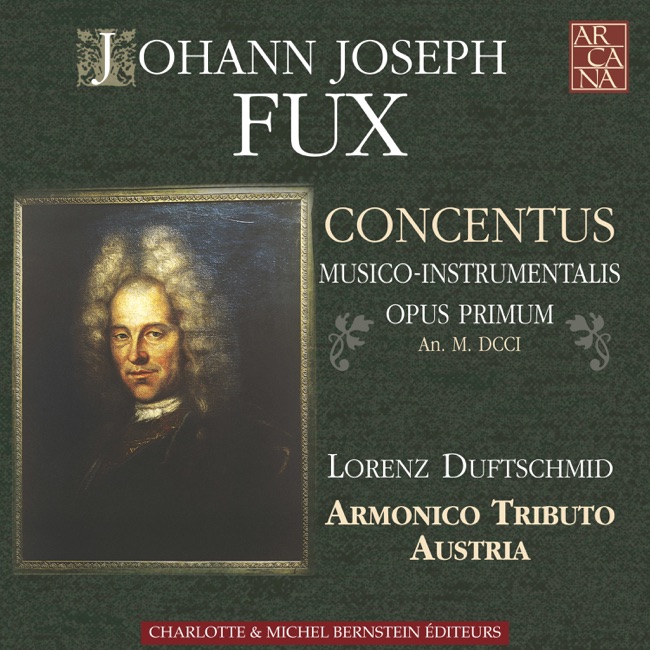
Works Info
Composer:Johann Joseph FuxGenre:OrchestralStyle:OrchestralAverage_duration:14:08Johann Joseph Fux's 'Overture for 2 oboes, 2 violins, viola & continuo in D minor, E.109' is a Baroque composition that was composed in the early 18th century. The exact date of its composition is unknown, but it is believed to have been written sometime between 1700 and 1720. The overture was premiered in Vienna, Austria, where Fux was employed as the court composer for the Habsburgs. The overture consists of three movements: a fast-paced opening movement in D minor, a slow and lyrical second movement in G minor, and a lively final movement in D major. The first movement is marked by its energetic and driving rhythms, with the two oboes and two violins playing in unison to create a powerful and unified sound. The second movement is more introspective and contemplative, with the viola taking on a prominent role in the melody. The final movement returns to the fast-paced and lively style of the opening movement, with the oboes and violins once again playing in unison to create a joyful and celebratory atmosphere. One of the key characteristics of Fux's overture is its use of counterpoint, a hallmark of Baroque music. Counterpoint refers to the technique of combining multiple melodies or voices in a way that creates a harmonious whole. Fux's overture features intricate and complex counterpoint, with each instrument contributing to the overall texture of the piece. Another notable characteristic of the overture is its use of the ritornello form, a common structure in Baroque music. The ritornello form involves the repetition of a recurring theme or melody throughout the piece, with variations and developments added each time it appears. Fux's overture uses this form in each of its three movements, creating a sense of unity and coherence throughout the piece. Overall, Fux's 'Overture for 2 oboes, 2 violins, viola & continuo in D minor, E.109' is a masterful example of Baroque music, showcasing the composer's skill in counterpoint and his ability to create a cohesive and engaging musical structure. Its premiere in Vienna would have been a highlight of the court's musical calendar, and it continues to be performed and enjoyed by audiences today.More....
Works Music
Released Music
2
Overture for 2 oboes, 2 violins, viola & continuo in D minor, E.109
(Grave) - Allegro - (Grave)
5:32