Francesco Geminiani
Concerto Grosso in D minor, Op. 7/2
Released Album
Recent Album

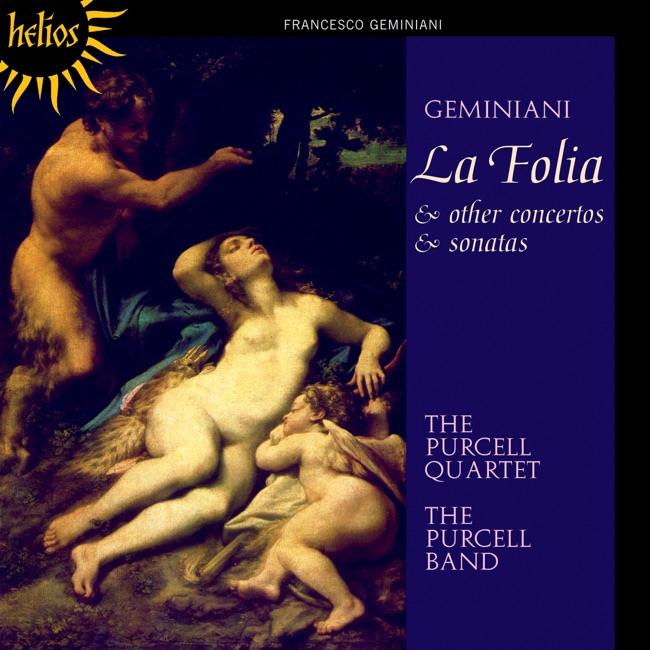
Featured Album
Works Info
Composer:Francesco GeminianiGenre:ConcertoStyle:ConcertoCompose Date:1746Publication Date:1746Average_duration:8:43Movement_count:3Movement ....Francesco Geminiani's Concerto Grosso in D minor, Op. 7/2, was composed in the early 18th century and premiered in London in 1732. The piece is part of a collection of twelve concerti grossi, which were inspired by the works of Arcangelo Corelli. The concerto is divided into four movements: Largo, Allegro, Largo, and Allegro. The first movement, Largo, is a slow and solemn introduction that sets the tone for the rest of the piece. The second movement, Allegro, is a lively and energetic section that features a call-and-response between the soloists and the orchestra. The third movement, Largo, is a slower and more contemplative section that allows the soloists to showcase their technical abilities. The final movement, Allegro, is a fast and lively section that brings the concerto to a thrilling conclusion. One of the defining characteristics of Geminiani's Concerto Grosso in D minor is its use of the concerto grosso form, which features a small group of soloists (known as the concertino) playing in contrast with the larger orchestra (known as the ripieno). This creates a dynamic interplay between the two groups, with the soloists often engaging in virtuosic displays of skill. Another notable characteristic of the concerto is its use of counterpoint, which is a technique that involves the interweaving of multiple melodic lines. Geminiani was known for his skillful use of counterpoint, and this is evident throughout the concerto, particularly in the second and fourth movements. Overall, Geminiani's Concerto Grosso in D minor, Op. 7/2, is a masterful example of the concerto grosso form, showcasing the composer's skillful use of counterpoint and his ability to create a dynamic interplay between the soloists and the orchestra.More....
Works Music
Released Music
Featured Music