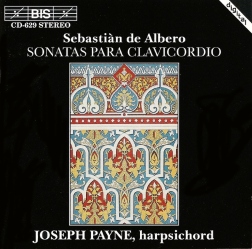
Sebastiàn de Albero
Harpsichord Sonata No. 11 in D minor
Released Album
Recent Album

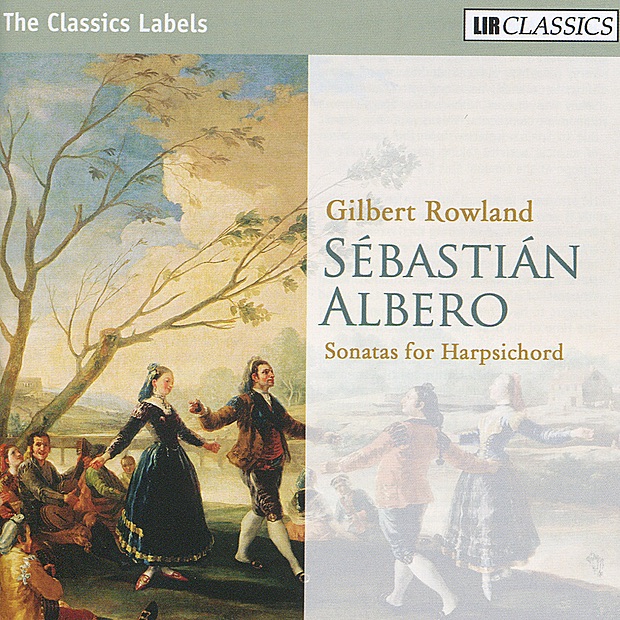
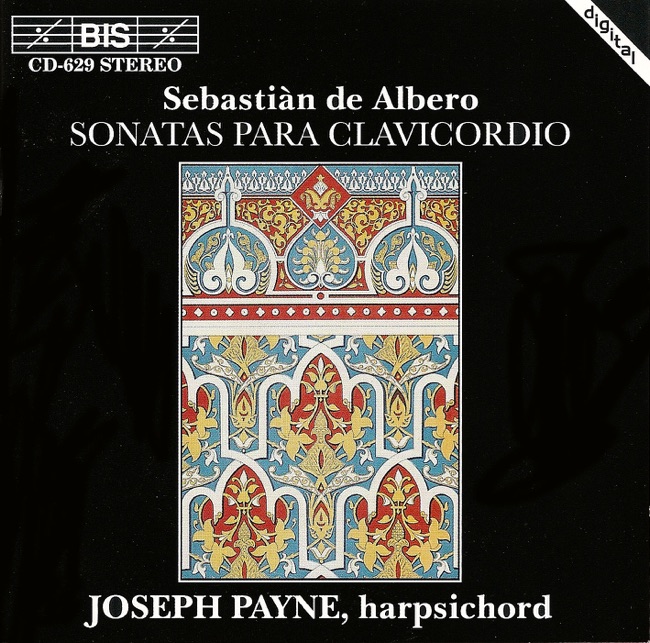
Works Info
Composer:Sebastiàn de AlberoGenre:KeyboardStyle:KeyboardAverage_duration:5:07Sebastiàn de Albero's Harpsichord Sonata No. 11 in D minor is a significant work in the Baroque era. It was composed in the late 18th century and premiered in Madrid, Spain. The sonata consists of three movements: Allegro, Andante, and Allegro. The first movement, Allegro, is in a fast tempo and is characterized by its lively and energetic nature. The movement begins with a bold and dramatic introduction, followed by a series of virtuosic passages that showcase the harpsichord's capabilities. The use of counterpoint and ornamentation is prominent throughout the movement, adding to its complexity and richness. The second movement, Andante, is in a slower tempo and is characterized by its lyrical and expressive nature. The movement begins with a simple and elegant melody played by the right hand, accompanied by a gentle and flowing left-hand accompaniment. The melody is then developed and expanded upon, with the use of ornamentation and variations. The movement ends with a gentle and peaceful cadence. The final movement, Allegro, is in a fast tempo and is characterized by its lively and playful nature. The movement begins with a lively and rhythmic theme played by the right hand, accompanied by a lively and energetic left-hand accompaniment. The theme is then developed and expanded upon, with the use of counterpoint and ornamentation. The movement ends with a lively and energetic cadence. Overall, Sebastiàn de Albero's Harpsichord Sonata No. 11 in D minor is a significant work in the Baroque era, showcasing the harpsichord's capabilities and the composer's mastery of counterpoint and ornamentation. Its three movements are characterized by their lively, expressive, and playful nature, making it a joy to listen to and perform.More....
Works Music
Released Music
1

6:51
2
5:25