Cécile Chaminade
L'Anneau d'argent
Released Album
Recent Album
Featured Album
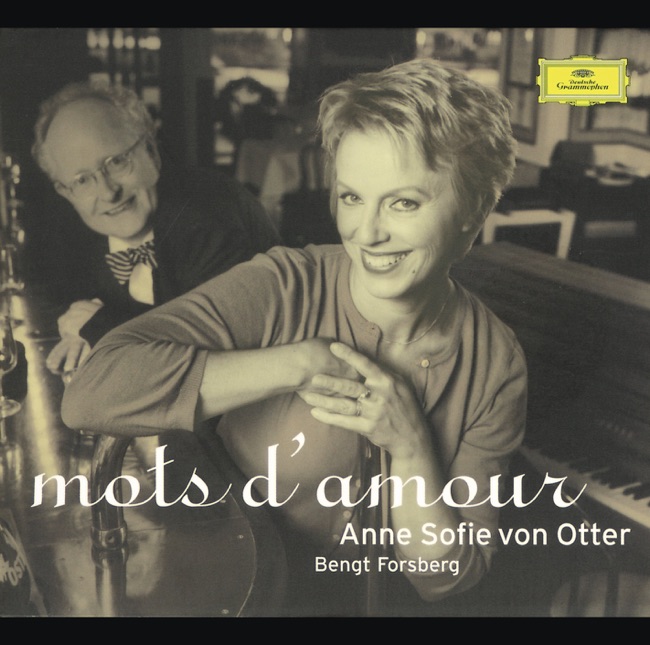
Works Info
Composer:Cécile ChaminadeGenre:VocalStyle:SongAverage_duration:2:01L'Anneau d'argent is a chamber music piece composed by Cécile Chaminade, a French composer and pianist, in 1902. The piece was premiered in Paris in the same year and was well-received by the audience. L'Anneau d'argent is a three-movement work for flute, violin, and piano. The first movement, marked Allegro moderato, is in sonata form and begins with a lively and energetic theme played by the flute and violin. The piano then introduces a second theme, which is more lyrical and expressive. The two themes are developed throughout the movement, with the flute and violin taking turns to play the melodies. The movement ends with a recapitulation of the two themes and a coda that brings the movement to a close. The second movement, marked Andante, is a slow and melancholic piece that features a beautiful melody played by the flute and violin. The piano provides a gentle accompaniment, creating a dreamy and ethereal atmosphere. The movement is in ternary form, with the middle section providing a contrast to the opening theme. The movement ends with a return to the opening theme, played with even more expressiveness and feeling. The final movement, marked Allegro vivo, is a lively and playful piece that showcases Chaminade's skill in writing for the flute. The movement begins with a fast and rhythmic theme played by the flute, which is then taken up by the violin and piano. The movement features several virtuosic passages for the flute, including a cadenza towards the end of the movement. The movement ends with a lively coda that brings the piece to a thrilling conclusion. Overall, L'Anneau d'argent is a charming and delightful work that showcases Chaminade's talent for writing for chamber ensembles. The piece is characterized by its beautiful melodies, expressive harmonies, and skillful use of the flute, violin, and piano. It remains a popular work in the chamber music repertoire and is frequently performed in concerts and recitals.More....