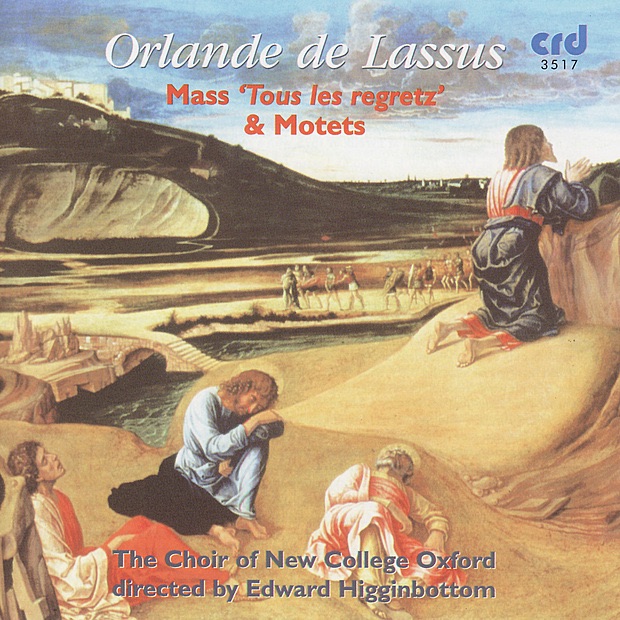
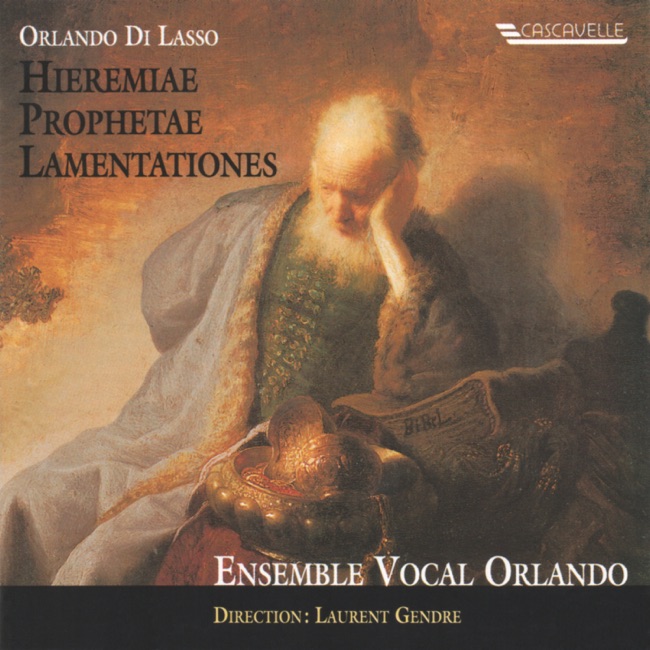
Orlande de Lassus
Domine convertere, M. xiv (S. iii/17)
Released Album
Recent Album
Works Info
Composer:Orlande de LassusGenre:ChoralStyle:ChoralPublication Date:1585Average_duration:3:13Orlande de Lassus was a prominent composer of the Renaissance period, known for his sacred and secular works. One of his most famous compositions is 'Domine convertere, M. xiv (S. iii/17)', which was composed in the late 16th century. The piece is a motet, which is a type of choral composition that is typically sung in Latin and is often used in religious services. 'Domine convertere' is written for four voices, with each part singing different melodies that combine to create a rich and complex texture. The motet is divided into three movements, each of which has its own distinct character. The first movement is slow and mournful, with the voices singing in a homophonic texture that emphasizes the text's plea for God's mercy. The second movement is faster and more rhythmic, with the voices weaving in and out of each other in a complex polyphonic texture. The final movement returns to the slow, mournful character of the first, with the voices singing in a homophonic texture once again. One of the most striking characteristics of 'Domine convertere' is its use of chromaticism, which is the use of notes outside of the traditional diatonic scale. This creates a sense of tension and unease that reflects the text's plea for God's mercy and forgiveness. Lassus also uses a variety of musical techniques, such as imitation and inversion, to create a rich and complex texture that is both beautiful and emotionally powerful. 'Domine convertere' premiered in the late 16th century, and it has remained a popular and influential piece of music ever since. Its combination of complex polyphony, chromaticism, and emotional depth make it a masterpiece of Renaissance choral music, and it continues to inspire and move listeners to this day.More....
Works Music