


Antonio Vivaldi
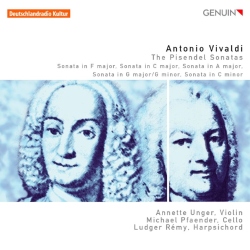
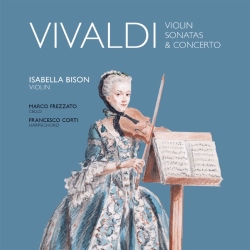
Sonata for violin & continuo in F major, RV 19
Released Album
Recent Album
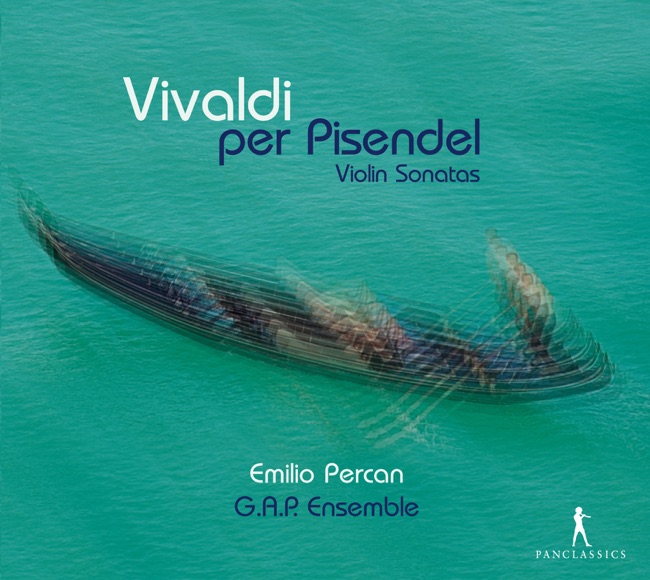
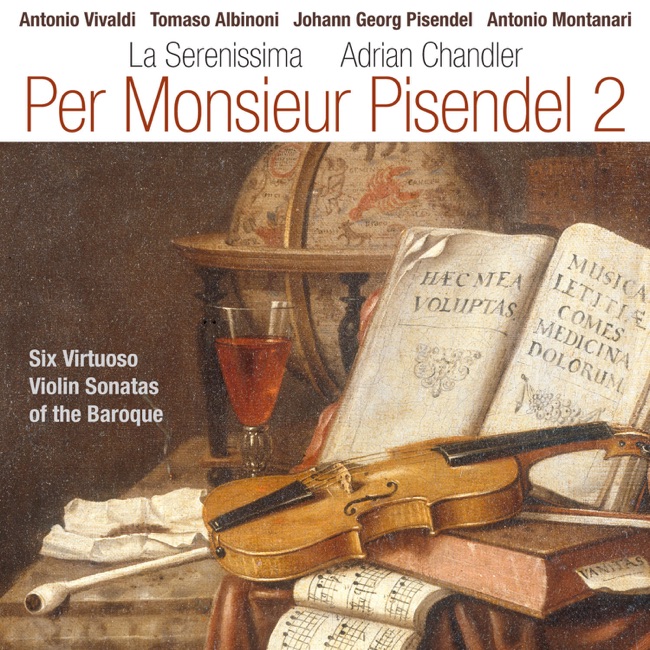
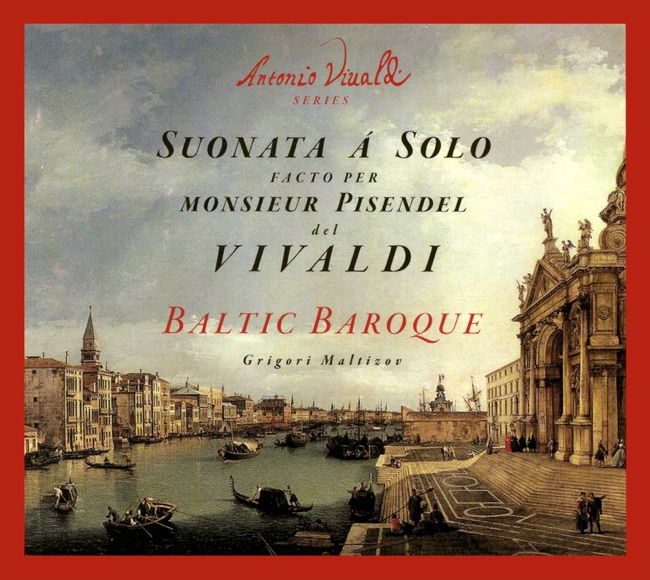
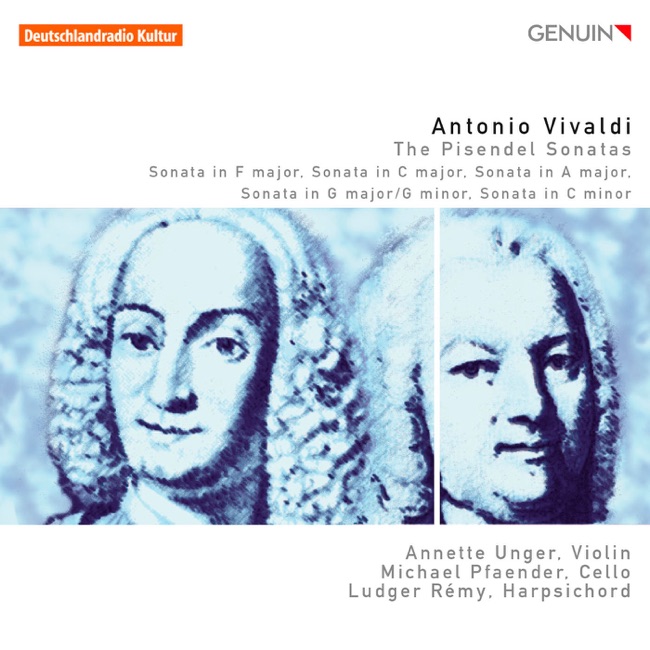
Featured Album
Works Info
Composer:Antonio VivaldiGenre:ChamberCompose Date:before 1742Publication Date:1982Average_duration:15:47Antonio Vivaldi's Sonata for violin & continuo in F major, RV 19, is a Baroque-era composition that was likely composed in the early 1700s. The piece is believed to have been premiered in Venice, Italy, where Vivaldi spent much of his career as a composer and violinist. The sonata is comprised of three movements: an opening Allegro, a central Largo, and a closing Allegro. The first movement is characterized by its lively, dance-like rhythms and virtuosic violin passages. The second movement, in contrast, is a slow and expressive aria that showcases the violin's lyrical capabilities. The final movement returns to the energetic character of the opening, with fast-paced runs and intricate ornamentation. As with many of Vivaldi's works, the Sonata for violin & continuo in F major is notable for its technical demands on the performer. The violin part is highly virtuosic, requiring a skilled player to execute the rapid runs, trills, and other ornamentation that are characteristic of Baroque music. The continuo part, which is typically played on a harpsichord or other keyboard instrument, provides a harmonic foundation for the violin and often includes improvisatory elements. Overall, the Sonata for violin & continuo in F major is a prime example of Vivaldi's skill as a composer and his ability to create music that is both technically demanding and musically engaging. Its lively rhythms, expressive melodies, and intricate ornamentation make it a popular choice for violinists and audiences alike.More....
Works Music
Released Music
1
2:45
3

2:44
4
2:33
5

Sonata for violin & continuo in F major, RV 19
Allegro moderato - Allegro (Giga) - Andante Allegro - Allegro
14:39
Featured Music
1
2:45
2
2:41
3
2:35
4
2:16
5
3:35