Franz Joseph Haydn
Divertimento for 2 oboes, 2 horns & 2 bassoons in G major
Released Album
Recent Album
Works Info
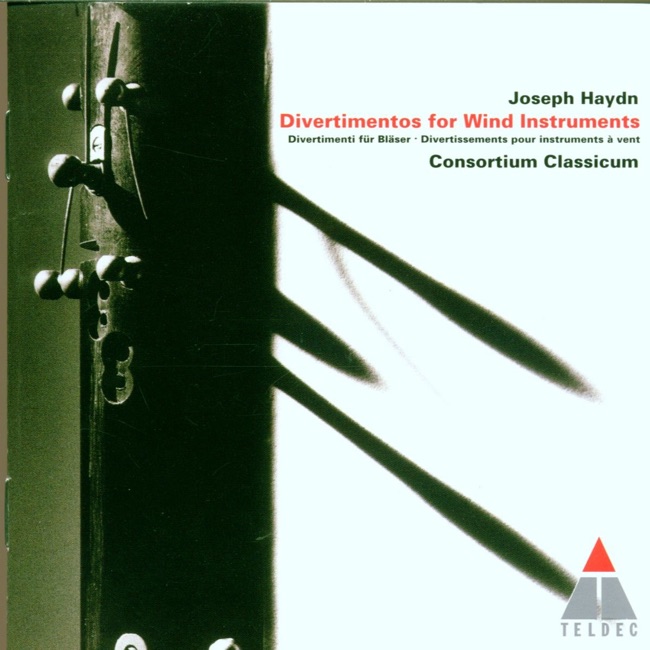
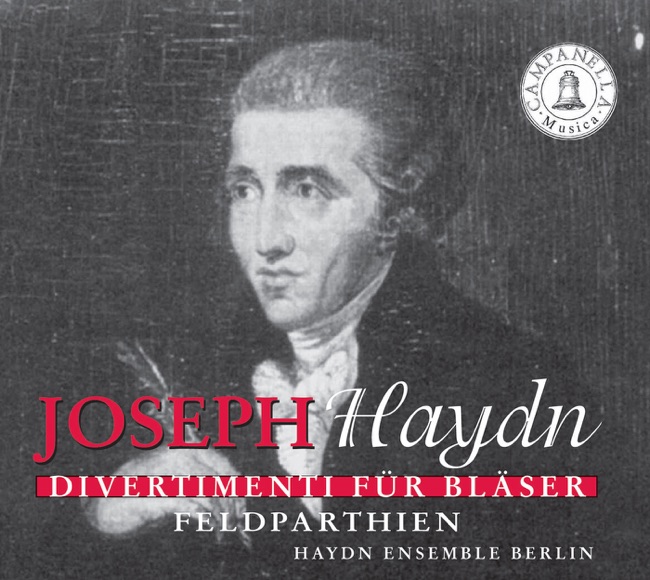
Composer:Franz Joseph HaydnGenre:OrchestralStyle:DivertimentoAverage_duration:9:19Franz Joseph Haydn's 'Divertimento for 2 oboes, 2 horns & 2 bassoons in G major' was composed in 1766. It premiered in the same year in the court of Prince Nikolaus Esterházy, where Haydn was employed as the court composer. The piece consists of three movements: Allegro, Menuetto, and Finale. The first movement, Allegro, is in sonata form and begins with a lively and cheerful theme played by the oboes and bassoons. The horns then join in with a fanfare-like motif, adding to the festive atmosphere. The development section explores the themes further, with each instrument taking turns to showcase their virtuosity. The movement ends with a recapitulation of the main theme, bringing the piece to a joyful close. The second movement, Menuetto, is a dance in triple meter. It features a playful and light-hearted melody that is passed between the different instruments. The horns take center stage in the trio section, playing a more lyrical and expressive melody. The movement ends with a return to the main theme, played by all the instruments in unison. The final movement, Finale, is a fast and energetic piece in rondo form. It begins with a lively theme played by the oboes and bassoons, which is then repeated and developed by the horns. The different instruments take turns to play variations on the theme, showcasing their individual abilities. The movement ends with a coda that brings the piece to a lively and triumphant close. Overall, Haydn's 'Divertimento for 2 oboes, 2 horns & 2 bassoons in G major' is a charming and delightful piece that showcases the composer's skill in writing for wind instruments. The piece is characterized by its lively and cheerful melodies, playful rhythms, and virtuosic passages for each instrument. It remains a popular work in the wind ensemble repertoire to this day.More....
Works Music
Released Music