Orlande de Lassus
Quam pulchra es, M. xv (S. xiii/149)
Released Album
Recent Album
Works Info
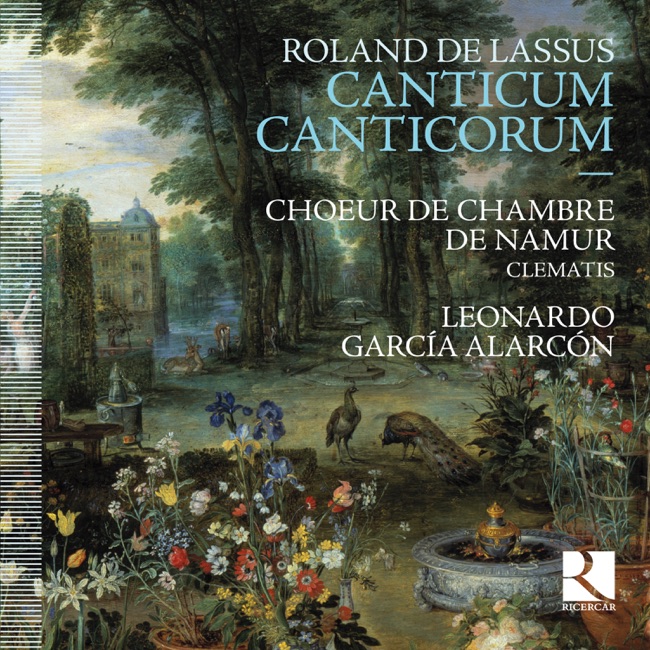
Composer:Orlande de LassusGenre:ChoralStyle:ChoralPublication Date:1585Average_duration:6:00Orlande de Lassus was a prominent composer of the Renaissance period, known for his sacred and secular works. One of his most famous compositions is "Quam pulchra es," M. xv (S. xiii/149), a motet for five voices. The composition of "Quam pulchra es" is believed to have taken place in the late 16th century, during Lassus' time as a court musician in Munich. The piece was likely composed for the Feast of the Assumption of the Virgin Mary, which is celebrated on August 15th. The motet is divided into three movements, each with its own distinct character. The first movement is marked "Allegro," and features a lively, dance-like rhythm. The second movement is marked "Adagio," and is more contemplative in nature, with a slower tempo and more complex harmonies. The final movement is marked "Allegro," and returns to the lively, dance-like rhythm of the first movement. The text of "Quam pulchra es" is taken from the Song of Solomon, and praises the beauty of the Virgin Mary. Lassus' setting of the text is characterized by its rich harmonies, intricate counterpoint, and expressive use of dissonance. The piece is also notable for its use of word painting, with the music reflecting the meaning of the text in various ways. Overall, "Quam pulchra es" is a masterful example of Renaissance polyphony, showcasing Lassus' skill as a composer and his deep devotion to the Catholic faith. Its enduring popularity is a testament to its beauty and power, and it remains a beloved piece of sacred music to this day.More....
Works Music
Released Music
1
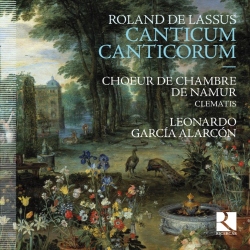
Quam pulchra es, M. xv (p. xiii/149)
Quam pulchra es / Secunda pars: Gutur tuum à 5 (Canticum Canticorum)
5:49