Guillaume de Machaut
Hoquetus David
Released Album
Recent Album



Featured Album
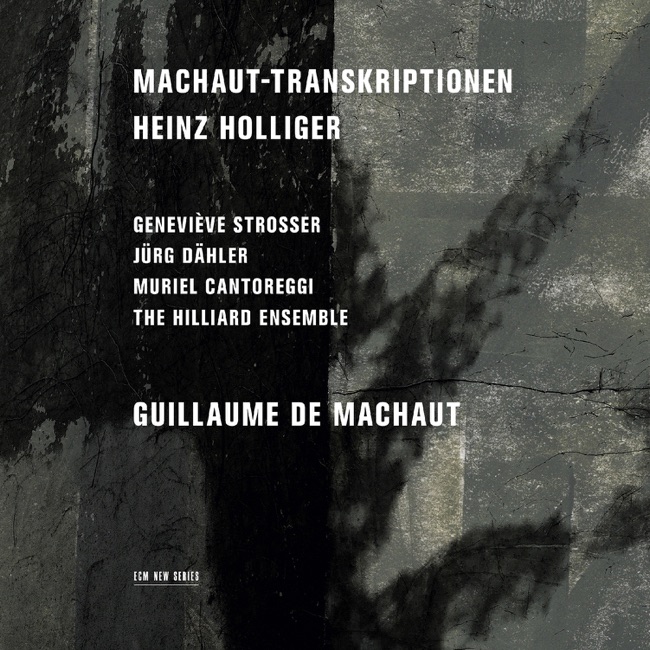
Works Info
Composer:Guillaume de MachautGenre:VocalStyle:HocketCompose Date:ca. 1360Average_duration:3:08Hoquetus David is a motet composed by Guillaume de Machaut, a French poet and composer of the 14th century. The piece is believed to have been composed around 1360 and is considered one of Machaut's most famous works. It was likely premiered in the court of King John II of France, where Machaut was employed as a court musician. The motet is composed of three voices, each with its own text and melody. The upper voice sings the text of Psalm 2 in Latin, while the lower two voices sing a French text that praises King John II. The French text is believed to have been written by Machaut himself, as he was known for his skill in both poetry and music. The piece is characterized by its use of hocket, a technique in which the melody is divided between two or more voices, with each voice singing only a portion of the melody. In Hoquetus David, the upper voice sings the Latin text in a hocket with the lower two voices, creating a lively and intricate texture. The piece also features frequent use of syncopation and rhythmic complexity, which were hallmarks of Machaut's style. Hoquetus David is divided into three movements, each with its own distinct character. The first movement is lively and energetic, with the voices weaving in and out of each other in a complex hocket. The second movement is more subdued, with the lower voices singing a slower, more contemplative melody while the upper voice sings a faster, more ornate line. The final movement returns to the lively and energetic character of the first, with the voices once again engaging in intricate hocket. Overall, Hoquetus David is a masterful example of Machaut's skill as a composer and poet. Its use of hocket and rhythmic complexity make it a challenging and rewarding piece for performers, while its intricate textures and lively character make it a joy to listen to.More....