Silvius Leopold Weiss
Allemande
Released Album
Recent Album
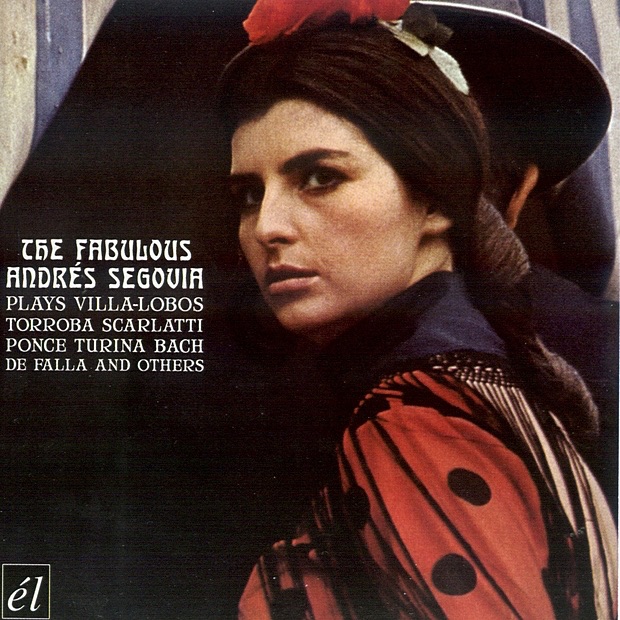
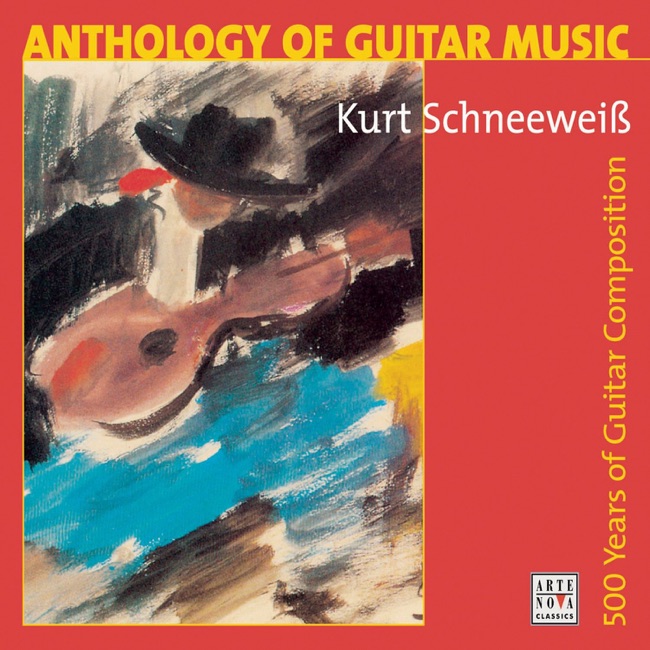
Works Info
Composer:Silvius Leopold WeissGenre:ChamberStyle:AllemandeAverage_duration:5:32The 'Allemande' is a popular dance form that originated in Germany during the Renaissance period. It was later adopted by French Baroque composers and became a standard movement in the suite. Silvius Leopold Weiss, a German Baroque composer and lutenist, composed several 'Allemandes' for the lute, which are considered some of the finest examples of the genre. Weiss was born in Grottkau, Silesia (now part of Poland) in 1687 and was a contemporary of Johann Sebastian Bach. He was a prolific composer and wrote over 600 works for the lute, including sonatas, suites, and concertos. His 'Allemandes' are characterized by their elegant melodies, intricate harmonies, and virtuosic fingerwork. The 'Allemande' typically follows the prelude in a suite and is in a moderate tempo with a duple meter. It is written in binary form, with two sections that are each repeated. The first section is usually in a minor key and features a series of melodic phrases that are often ornamented with trills and other embellishments. The second section is in a major key and is more lively and dance-like, with a series of rhythmic patterns that are repeated and varied. Weiss's 'Allemandes' are notable for their expressive qualities and their use of counterpoint. He often employs complex polyphonic textures, with multiple voices weaving in and out of each other. His use of dissonance and chromaticism adds a sense of tension and drama to the music. The 'Allemande' was a popular dance form in the Baroque era and was often performed at courtly gatherings and social events. Weiss's 'Allemandes' are a testament to the beauty and elegance of this dance form and remain an important part of the lute repertoire to this day.More....
Works Music