Carlo Tessarini
Sonata for flute & continuo, No. 8
Released Album
Recent Album
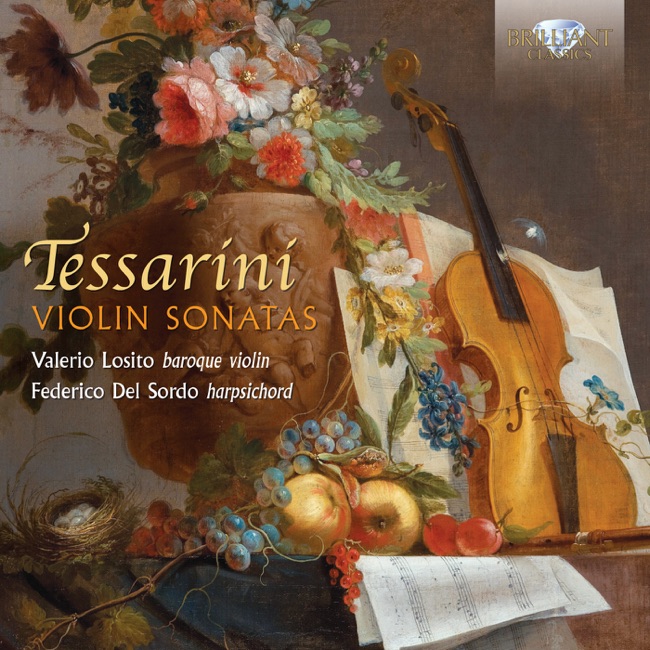
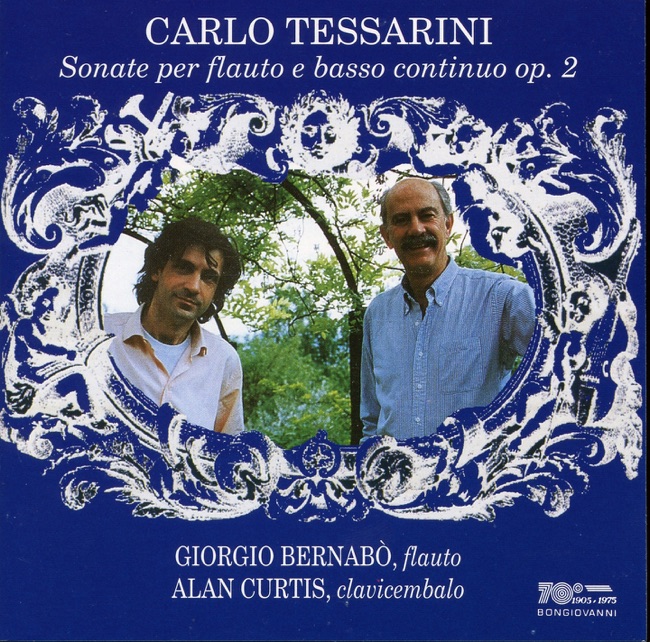
Works Info
Composer:Carlo TessariniGenre:ChamberStyle:Chamber MusicAverage_duration:8:24Carlo Tessarini's Sonata for flute & continuo, No. 8, is a Baroque composition that was composed in the early 18th century. The exact date of composition is unknown, but it is believed to have been written between 1715 and 1725. The sonata is a three-movement work that is typical of the Baroque era. The premiere of the sonata is also unknown, but it is likely that it was first performed in Italy, where Tessarini spent most of his career. The sonata was written for the flute, which was a popular instrument during the Baroque era. The continuo part is typically played on a harpsichord or organ, and provides a harmonic foundation for the flute. The first movement of the sonata is marked Allegro, and is in a fast tempo. It is written in a binary form, with two contrasting sections that are repeated. The flute and continuo parts are closely intertwined, with the flute often playing virtuosic runs and trills over the continuo's steady bass line. The second movement is marked Largo, and is in a slow tempo. It is written in a ternary form, with a central section that contrasts with the outer sections. The flute plays a lyrical melody over a simple continuo accompaniment, creating a peaceful and introspective mood. The final movement is marked Allegro, and is in a fast tempo. It is written in a binary form, with two contrasting sections that are repeated. The flute and continuo parts are once again closely intertwined, with the flute playing rapid runs and arpeggios over the continuo's driving bass line. Overall, Tessarini's Sonata for flute & continuo, No. 8, is a typical example of Baroque chamber music. It showcases the virtuosity of the flute, while also providing a solid harmonic foundation with the continuo. The three movements are well-balanced and contrast with each other, creating a satisfying listening experience.More....
Works Music
Released Music