Georg Böhm
Christum wir sollen loben schon
Released Album
Recent Album
Featured Album
Works Info
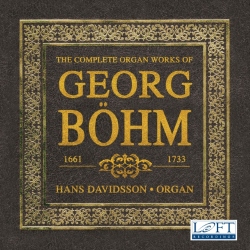
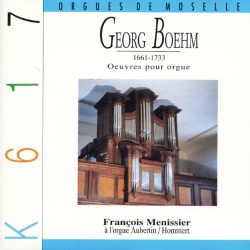
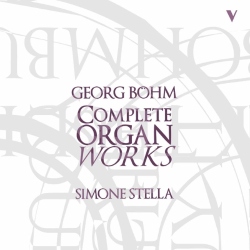
Composer:Georg BöhmGenre:KeyboardStyle:KeyboardAverage_duration:2:47Georg Böhm was a German Baroque composer and organist who lived from 1661 to 1733. He is known for his contributions to the development of the chorale prelude, a musical form that was popular in the Lutheran church during the Baroque era. One of his most famous works is "Christum wir sollen loben schon," a chorale prelude based on a Christmas hymn. "Christum wir sollen loben schon" was composed in the early 18th century, although the exact date is unknown. It was likely written for use in the Lutheran church during the Christmas season. The piece is written for organ and is divided into four movements. The first movement is a prelude that sets the stage for the hymn. It begins with a simple melody played in the upper register of the organ, accompanied by a flowing bass line in the lower register. The melody is then repeated in a more elaborate form, with ornamentation and flourishes added to the original tune. The second movement is a fugue, a complex form of counterpoint in which multiple voices play the same melody in succession. Böhm's fugue is based on the same melody as the prelude, but it is much more intricate and challenging to play. The voices weave in and out of each other, creating a rich tapestry of sound. The third movement is a trio, in which three voices play together in harmony. This section is more subdued than the previous two movements, with a gentle, flowing melody that evokes a sense of peace and tranquility. The final movement is a postlude, which brings the piece to a close. It is similar in style to the prelude, with a simple melody played in the upper register and a flowing bass line in the lower register. However, it is more elaborate and ornate than the prelude, with additional flourishes and embellishments added to the original tune. Overall, "Christum wir sollen loben schon" is a beautiful example of Böhm's skill as a composer and organist. It showcases his ability to create complex, intricate music that is still accessible and enjoyable to listen to. The piece is a testament to the rich musical tradition of the Lutheran church during the Baroque era, and it continues to be performed and enjoyed by audiences today.More....
Works Music
Released Music
6
2:19
Featured Music