


Georg Böhm
Released Album
Keyboard
-
 January 3, 2025
 -
 September 24, 2024
 -
 May 14, 2024
 -
 April 1, 2024
 -
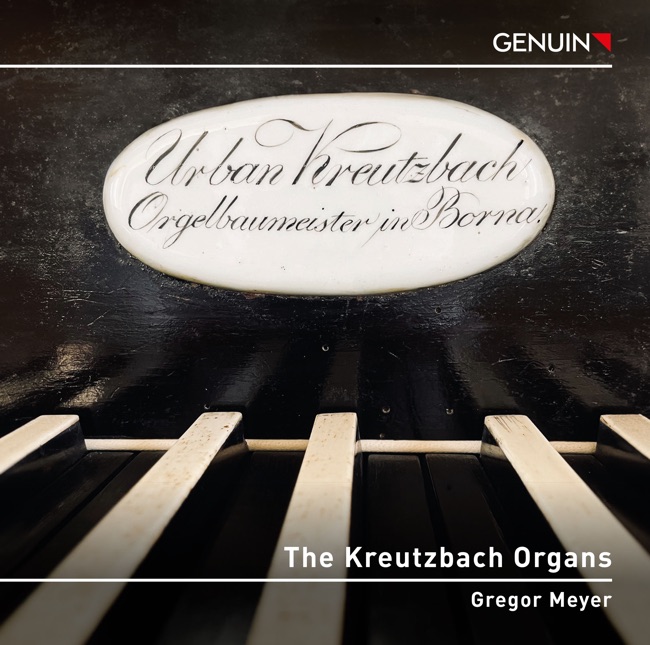 March 1, 2024
 -
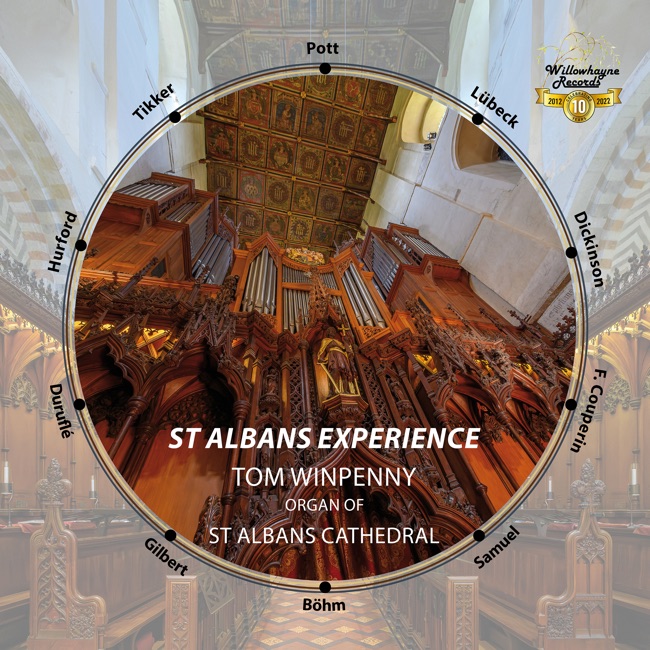 September 15, 2023
Choral
-
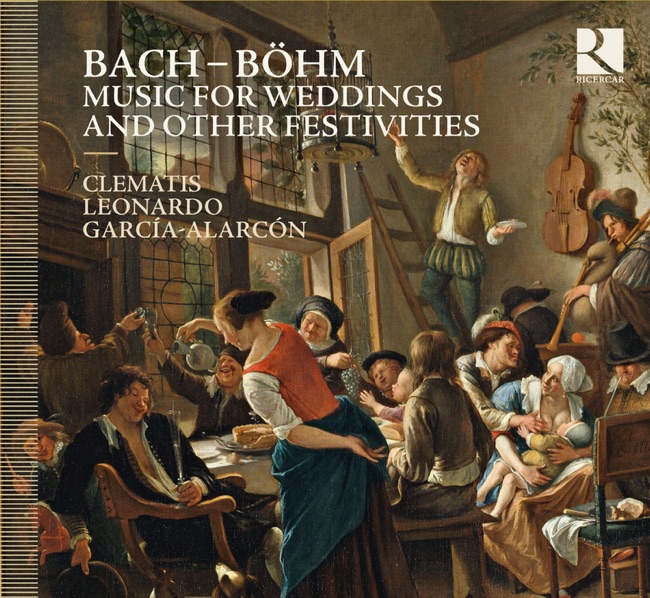 July 23, 2012
 -
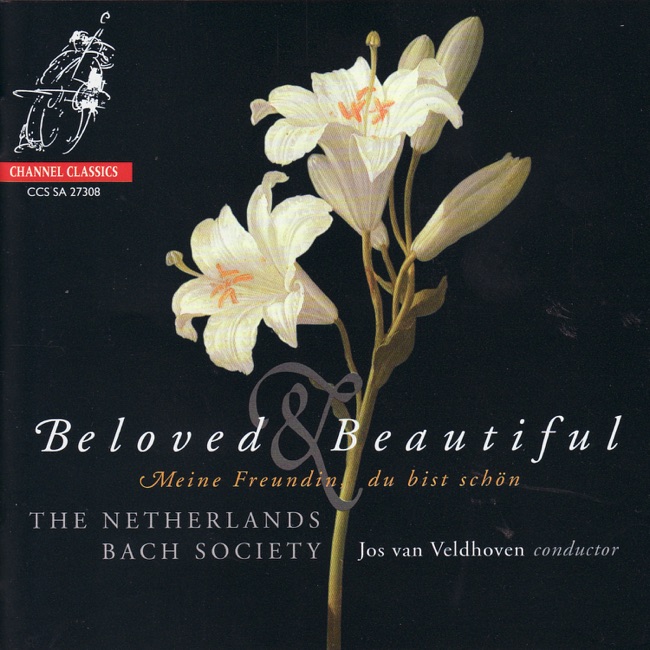 December 9, 2008
 -
 September 20, 2005
Artist Info
Role:ComposerCountry: GermanyBirth:September 2, 1661 in Ohrdruf, GermanyDeath:May 18, 1733 in Lüneburg, GermanyPeriod:BaroqueGenre:KeyboardGeorg Böhm was a German composer and organist who lived during the Baroque period. He was born on September 2, 1661, in Hohenkirchen, Thuringia, Germany. His father, Johannes Böhm, was a schoolteacher and musician who taught Georg music from a young age. Georg showed a natural talent for music and quickly became proficient in playing the organ, harpsichord, and violin. Böhm's musical education continued when he was sent to study with Johann Pachelbel, a renowned organist and composer, in Erfurt. Pachelbel was impressed with Böhm's talent and took him on as a student. Böhm learned a great deal from Pachelbel and was heavily influenced by his style of composition. After completing his studies with Pachelbel, Böhm became the organist at the Church of St. Johannis in Mühlhausen. He held this position for several years before moving on to become the organist at the Church of St. Boniface in Arnstadt. It was during his time in Arnstadt that Böhm composed some of his most famous works, including his chorale preludes and organ fugues. Böhm's music was highly regarded during his lifetime, and he was known for his skillful use of counterpoint and his ability to create complex and intricate musical structures. His music was also notable for its emotional depth and expressiveness, which was a departure from the more formal and restrained style of many of his contemporaries. One of Böhm's most famous works is his chorale prelude "Vater unser im Himmelreich" (Our Father in Heaven), which is still frequently performed today. This piece is a beautiful example of Böhm's skillful use of counterpoint, with multiple voices weaving in and out of each other to create a rich and complex texture. Another notable work by Böhm is his organ fugue in G minor, which is a virtuosic display of his technical skill as an organist. This piece is characterized by its fast-paced, intricate passages and its use of chromaticism, which was a relatively new technique at the time. Böhm's music was also notable for its influence on other composers of the time. Johann Sebastian Bach, who was a contemporary of Böhm's, was heavily influenced by his music and even transcribed some of his works for the keyboard. Bach's famous Toccata and Fugue in D minor is thought to have been influenced by Böhm's organ fugues. Despite his success as a composer and organist, Böhm's personal life was marked by tragedy. He lost his wife and several of his children to illness, and he himself suffered from poor health in his later years. He died on May 18, 1733, in Lüneburg, Germany, at the age of 71. Today, Böhm is remembered as one of the most important composers of the Baroque period. His music continues to be performed and studied by musicians and music lovers around the world, and his influence can be heard in the works of many later composers.More....
Recent Artist Music
6
Prelude, Fugue and Postlude for keyboard in G minor
Praeludium, Fugue and Postludium in g minor
8:27




Copyright Ⓒ 2013 Davinci Finger. All rights reseved
Service Terms & Policy