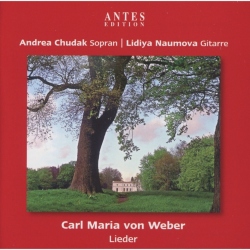
Carl Maria von Weber
Heimlicher Liebe Pein, J. 235, Op. 64/3
Released Album
Recent Album

Works Info
Composer:Carl Maria von WeberGenre:VocalStyle:Vocal MusicCompose Date:1818Publication Date:1822Average_duration:1:36"Heimlicher Liebe Pein" is a vocal work composed by Carl Maria von Weber, a German composer of the Romantic era. The piece is part of his Opus 64, a collection of six songs for voice and piano, and is also known as "Secret Love's Pain" in English. It was composed in 1824 and premiered the same year in Dresden, Germany. The piece is a lied, a type of German art song that typically features a solo voice accompanied by piano. "Heimlicher Liebe Pein" is written for a soprano voice and piano, and is set to a poem by Johann Wolfgang von Goethe. The poem tells the story of a woman who is secretly in love with a man who is already married. She is tormented by her unrequited love and the pain it causes her. The piece is divided into three movements, each of which reflects a different aspect of the woman's emotional state. The first movement is slow and mournful, with a melancholy melody that reflects the woman's sadness and longing. The second movement is faster and more agitated, with a more complex piano accompaniment that reflects the woman's growing frustration and anger. The final movement returns to the slower, more mournful melody of the first movement, as the woman resigns herself to her unrequited love and the pain it causes her. The piece is characterized by Weber's use of chromaticism, a technique that involves using notes outside of the traditional diatonic scale to create a sense of tension and dissonance. This technique is particularly effective in conveying the emotional turmoil of the woman in the poem. The piano accompaniment is also notable for its use of arpeggios and other virtuosic techniques, which add to the emotional intensity of the piece. Overall, "Heimlicher Liebe Pein" is a powerful and emotional work that showcases Weber's skill as a composer of vocal music. Its haunting melody and complex piano accompaniment make it a challenging but rewarding piece for both singers and pianists.More....
Works Music