Jacobus Vaet
Mater digna Dei
Released Album
Recent Album
Works Info
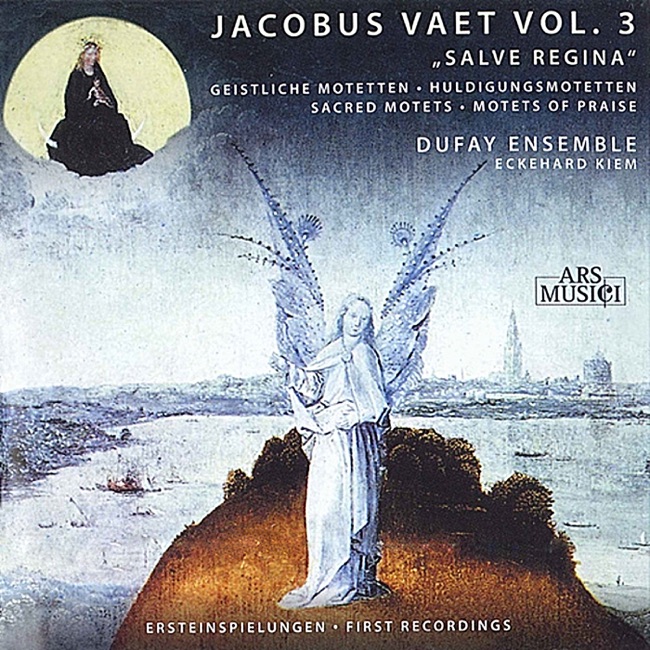
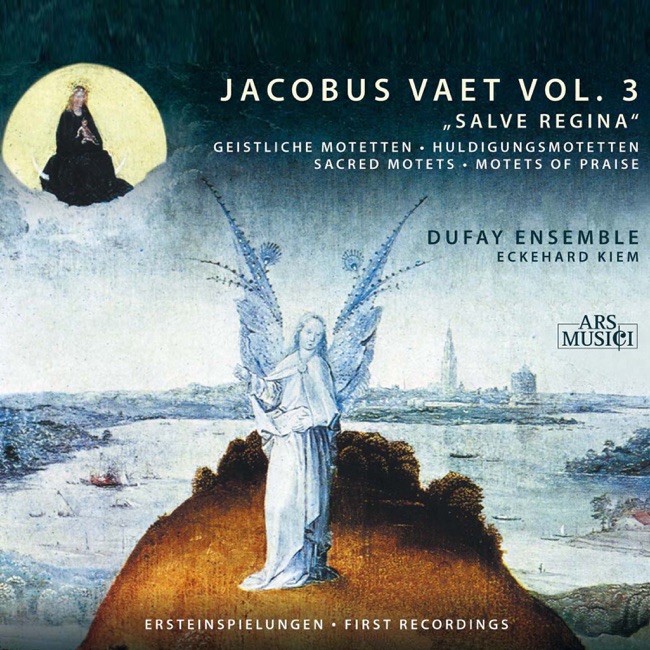
Composer:Jacobus VaetGenre:ChoralStyle:ChoralAverage_duration:4:37"Mater digna Dei" is a sacred choral work composed by Jacobus Vaet, a Flemish composer of the Renaissance era. The piece was likely composed in the mid-16th century, although the exact date is unknown. It is believed to have been written for the Chapel Royal of Emperor Charles V, for whom Vaet worked as a composer and singer. The work is divided into four movements, each of which is based on a different text from the liturgy of the Virgin Mary. The first movement, "Ave Maria," is a setting of the traditional prayer to the Virgin Mary. The second movement, "Magnificat," is a setting of the canticle of Mary, which is sung at vespers. The third movement, "Salve Regina," is a setting of the Marian antiphon that is sung at the end of Compline. The final movement, "Alma Redemptoris Mater," is another Marian antiphon that is sung during Advent and Christmas. Vaet's setting of these texts is characterized by its rich harmonies, expressive melodies, and intricate polyphony. The music is written for a four-part choir, with each voice part given equal importance. The music is often homophonic, with all four voices singing the same text at the same time, but there are also many moments of polyphony, where the voices weave in and out of each other in complex patterns. One of the most striking features of "Mater digna Dei" is its use of chromaticism. Vaet employs many chromatic harmonies and melodic lines, which give the music a sense of tension and drama. This is particularly evident in the "Magnificat" movement, where the music builds to a powerful climax before resolving into a serene final section. Overall, "Mater digna Dei" is a beautiful and expressive work that showcases Vaet's skill as a composer. Its rich harmonies, intricate polyphony, and expressive melodies make it a masterpiece of Renaissance choral music.More....
Works Music
Released Music